
AI-generated summary reviewed by our newsroom.
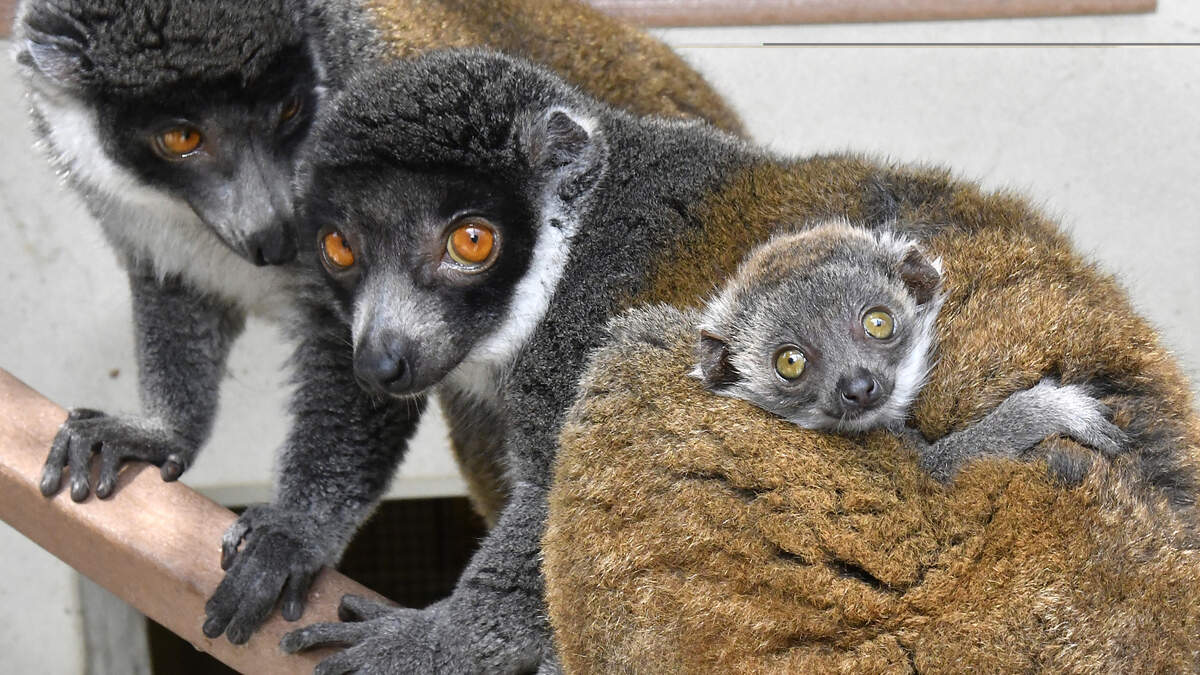
The Duke Lemur Center announced the birth of two baby lemurs within the past week: a male ring-tailed lemur and a female mongoose lemur.
Read more ‘Brown and pink residue’ found at Durham restaurant: latest Triangle inspections
The mongoose lemur, named Paloma by donors for its Spanish origin and meaning as “dove,” is only the second born at the center since 2021, and the first female, said communications and education specialist Abby Flyer. The birth marks a critical moment for the species’ reproductive future in captivity, as its wild population is critically endangered and rapidly declining.
The ring-tailed lemur was born May 29 to Sierra Mist, an experienced mother, and 33-year-old dad Licinius, the oldest documented lemur at the center.
Flyer said in a statement that Licinius has been unusually hands-on for a ring-tailed lemur father, playing and interacting extensively with his new son.
“Licinius is a good sport when the baby jumps on his head and pulls on his tail,” Flyer said.
As the infant has grown more adventurous, his two older siblings have started playfully chasing him around their screened-in outdoor patio.
Read more A new shop is part of this longtime Crabtree department store’s big renovation
The center allows guests to symbolically adopt and help name infant lemurs through its Ultimate Adoption program, a $20,000 donation. Sierra Mist’s baby is currently available through the program.
Paloma was born June 28 to mom Bonita and dad Juanito. Her keepers say she seems “less amazed by the world” than her older sibling, joking that she has an old soul.
Lemurs are only found in Madagascar, where 98% of species are at risk of extinction, making them the most vulnerable group of mammals in the world.
The Lemur Center is primarily a research facility open to visitors by reservation only. All funding for its conservation projects comes from donors and grants, and it holds the second-largest population of lemurs in the world.
Read more Flesh-eating bacteria found along the NC coast linked to 7 deaths in the South
This story was originally published August 11, 2026 at 12:25 PM.