
AI-generated summary reviewed by our newsroom.
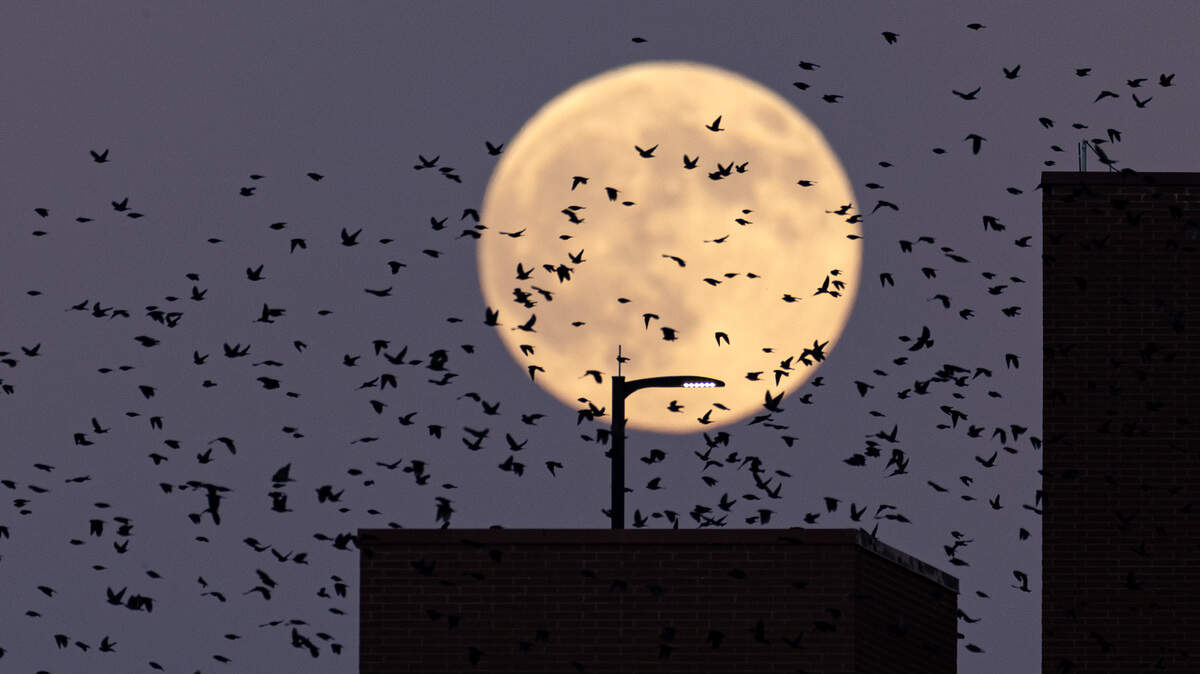
For a few magical minutes at dusk this September, thousands of chimney swifts will spiral over Chapel Hill and Durham like a feathered tornado before diving — one by one, at breakneck speed — into a chimney or the hollow of an old tree.
Read more Driver allegedly fell asleep in crash that killed Creedmoor school officer’s daughter
Yes, birdwatchers really do call it a “swift-nado.” Yes, they really do call themselves Swifties. And yes, it’s free.
The New Hope Bird Alliance and partners are hosting a handful of family-friendly watch parties around the Triangle this month. Sunset is showtime, so arrive a few minutes early:
Bring binoculars if you have them, a jacket for cooler evenings and something to sit on. Kids love the countdown as the birds gather overhead.
Chapel Hill Swifties usually squint upward at industrial chimneys. But in late August 2024, birdwatcher Barbara Driscoll followed the swifts’ familiar twittering across Franklin Street and onto UNC’s campus, where she found what she called “an incredible sight” — thousands of chimney swifts circling the university’s iconic Davie Poplar, a tree that’s stood there for more than 400 years, according to previous News & Observer reporting.
“I was so excited to see that they were using this tree, and that this tree was protected,” Driscoll said.
Watching from a lawn is a whole different vibe than craning your neck at a smokestack. “The nice thing about this is you’re so close to them. Usually, you’re looking at an industrial chimney, and it’s much higher,” said Anne Dayer, who has attended swift watches for eight years with her husband, Paul Dayer.
Here’s the science lesson worth sharing with kids on the ride home.
Community scientists with the New Hope Bird Alliance, the N.C. Biodiversity Project and the Durham County Open Space Program surveyed breeding bird territories at two protected areas in the New Hope Creek corridor: the New Hope Bottomlands in 2024 and Hollow Rock Nature Park in 2025.
Read more UNC basketball coach Michael Malone opens up on new roster, biggest challenges
Compared to surveys done at Mason Farm Biological Reserve in the 1980s, 69% of species at Hollow Rock showed declining territory density or were missing entirely, reported Jin Bai, the Community Science Committee chair with New Hope Bird Alliance. At the New Hope Bottomlands, 56% of species were declining or missing, he said.
The survey also found five songbirds that once commonly bred in the corridor — Wood Thrush, Hooded Warbler, Kentucky Warbler, Ovenbird and Scarlet Tanager — weren’t holding breeding territories at either site. Even the Red-eyed Vireo, normally one of the most abundant breeding birds in Piedmont forests, was down to roughly half its 1980s numbers at Hollow Rock and just 20% at the Bottomlands. The Acadian Flycatcher showed similar drops, it found.
Researchers suspect insect decline is a hidden driver. Migratory songbirds feed their babies moth and butterfly caterpillars, and a parallel survey at White Pines Nature Preserve in Chatham County found both moths and birds doing much better there — closer to historical levels, the survey found.
The global chimney swift population has dropped 50% in the last 50 years, Driscoll said. “They’re flying around eating insects all day, and there’s just not insects to be eaten,” she said, according to News & Observer reporting.
Chimney swifts will keep moving through the Triangle through the end of November. Catch them while you can.
Uniquely NC is a News & Observer subscriber collection of moments, landmarks and personalities that define the uniqueness (and pride) of why we live in the Triangle and North Carolina.
This report was produced with the assistance of a proprietary tool powered by artificial intelligence and using our own originally reported, written and published content. It was reviewed and edited by our journalists.
Read more This ‘scenic’ NC marine town should be your next getaway, Southern Living says
This story was originally published September 3, 2026 at 11:54 AM.