
AI-generated summary reviewed by our newsroom.
Nearly a quarter of all North Carolina residents will be 65 or older by 2060. For many, remaining in their homes through old age is the primary goal, but it’s not always feasible. Aging experts encourage people to plan ahead to help with making tough decisions later in life. The News & Observer’s guide aims to help. Here’s how to begin that search and what to know to ensure loved ones have a safe place to live.
Read more Religious instruction, public schools and the NC budget: 5 things to know
If you’re approaching retirement in the Triangle, the time to plan for long-term care is now — not after a fall, a diagnosis or a hospital discharge sets the clock ticking.
North Carolina’s senior population is projected to jump from 1.9 million to more than 2.8 million people 65 or older by 2042.
Here are six things to know, drawn from The News & Observer’s reporting on senior care in the Triangle.
Nearly a quarter of all North Carolina residents will be 65 or older by 2060. In 88 counties, there are already more people over the age of 60 than there are people under the age of 18, according to state demographic data. In 2023, people 85 and older were projected to be the fastest growing group in the state over the next 20 years.
That growth is colliding with limited capacity. There are just 66 continuing care retirement centers, or CCRCs, in North Carolina, with a quarter of those facilities in Wake, Durham, Orange or Chatham counties. CCRCs include multiple levels of care for people including independent living, assisted living facilities, skilled nursing homes and memory care facilities.
“A significant number of the CCRCs occupancy is high, and most of them have pretty extensive wait lists for people to get in, so there is a huge demand for it,” said Deputy Insurance Commissioner Jeff Trendel, who oversees the financial oversight and special entities division.
Some seniors wait over a decade for a spot.
Aging experts repeatedly warn that too few seniors plan ahead and are forced to make quick decisions after a medical emergency.
“One of the worst things you can have happen is somebody has a fall, the doctor comes in and tells the family they can’t go back to the home where they’ve lived for 50 years,” said Mary Bethel, chair of the North Carolina Coalition on Aging’s Board of Directors. “What’s your next plan? What are you going to do?
“And if people haven’t thought about this or haven’t planned ahead, then they have three or four days to mitigate this and figure out what’s going to happen with them for the rest of their life. That could be very daunting.”
The North Carolina Department of Insurance licenses and regulates CCRCs, focused on financial solvency and disclosures. The state has intervened only once — in 2023 with Aldersgate, a CCRC in Charlotte that was “insolvent or in imminent danger of becoming insolvent,” NC Health News reported.
“Most CCRCs require a large entrance fee when the resident moves in, and some of those contracts are refundable,” Trendel said. “Because of that large entrance fee that people are paying, there is a fair amount of risk that people are taking by paying that money, whether it’s refundable or not. They’re putting their confidence in the provider that they’re going to provide the goods and services they’re contracting for.”
Read more Years later, a Raleigh neighborhood remains divided on removing a slave-owner’s name
Before signing anything, review a facility’s financial disclosure statements through the Department of Insurance portals at ncdoi.gov/licensees and apps.ncdoi.net.
This is the most common misconception among the families calling Autumn Cox, regional ombudsman for Central Pines Regional Council’s Area Agency on Aging.
“Every day they call, and they’re like, ‘Oh, but mom has Medicare,’” Cox said. “It is a common misconception, because a lot of people assume that because you have Medicare, that’s going to just pay for it, and that’s not the case.”
Traditional Medicare usually requires a three-night inpatient qualifying hospital stay to cover the cost of a skilled nursing facility. Even then, Medicare only covers the full cost of the first 20 days. The patient is responsible for a portion of the cost on day 21 and beyond.
Medicare doesn’t cover any costs associated with assisted living facilities. People pay privately or, eventually, qualify for Medicaid.
“Almost two-thirds of people in nursing homes in North Carolina are on Medicaid now,” Bethel said. “Most of them were not on Medicaid when they went into facilities, but it doesn’t take long for a person to spend down the little nest egg at $130,000 a year.”
If staying home is the goal, several programs and businesses can help, The N&O reported:
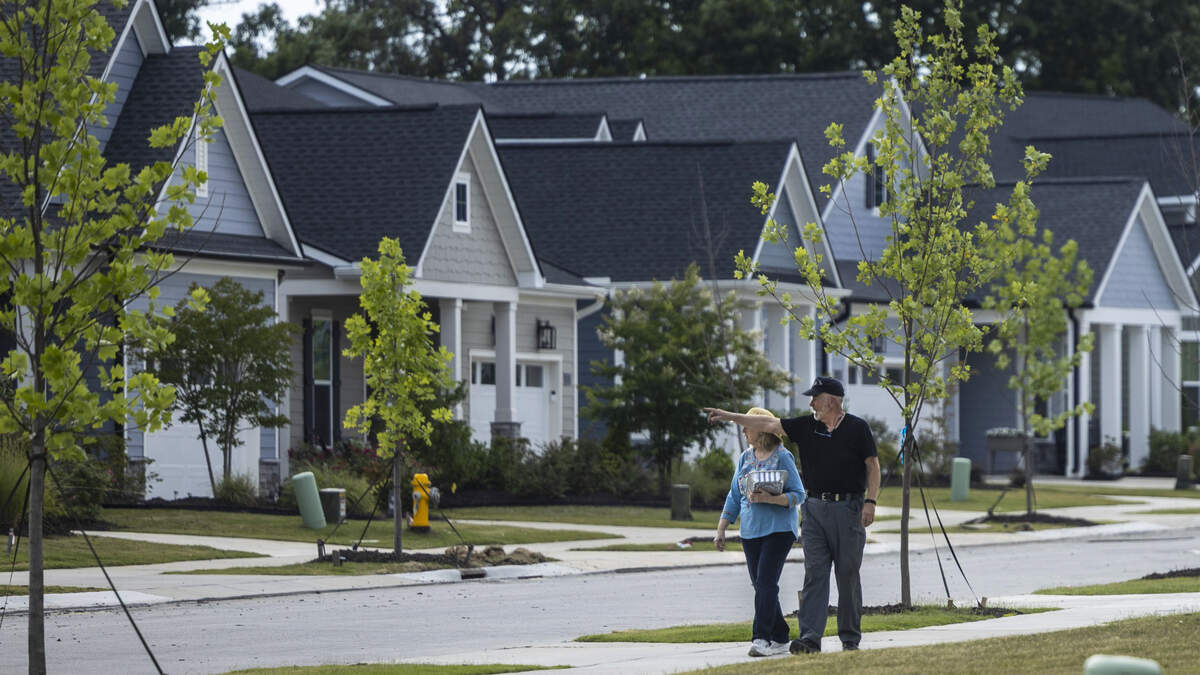
Many seniors moving to the Triangle don’t consider whether their new home was built with accessibility in mind. The AARP advocates universal design standards: no-step access into the home and shower, a bedroom, kitchen, full bathroom and laundry area on one accessible floor, doorways wide enough for a mobility device, lever-style door handles and secured rugs.
“I can’t tell you the number of people, older friends I have, who have moved to new houses with no downstairs bedroom,” Bethel said. “What are you thinking? If you break a hip, how are you going to get upstairs?”
The summary points above were compiled with the help of AI tools and edited by journalists. The full story in the link at top was reported, written and edited entirely by journalists.
Read more Elon University is now in control of Queens in Charlotte, accreditor says
This story was originally published June 30, 2026 at 6:00 AM.