
AI-generated summary reviewed by our newsroom.
Chapel Hill has a flooding problem, but the town’s failure to solve it, despite decades of planning and upgrades, keeps putting people and property at risk.
Read more Old favorites: Here’s a list of all the closed Triangle restaurants we miss
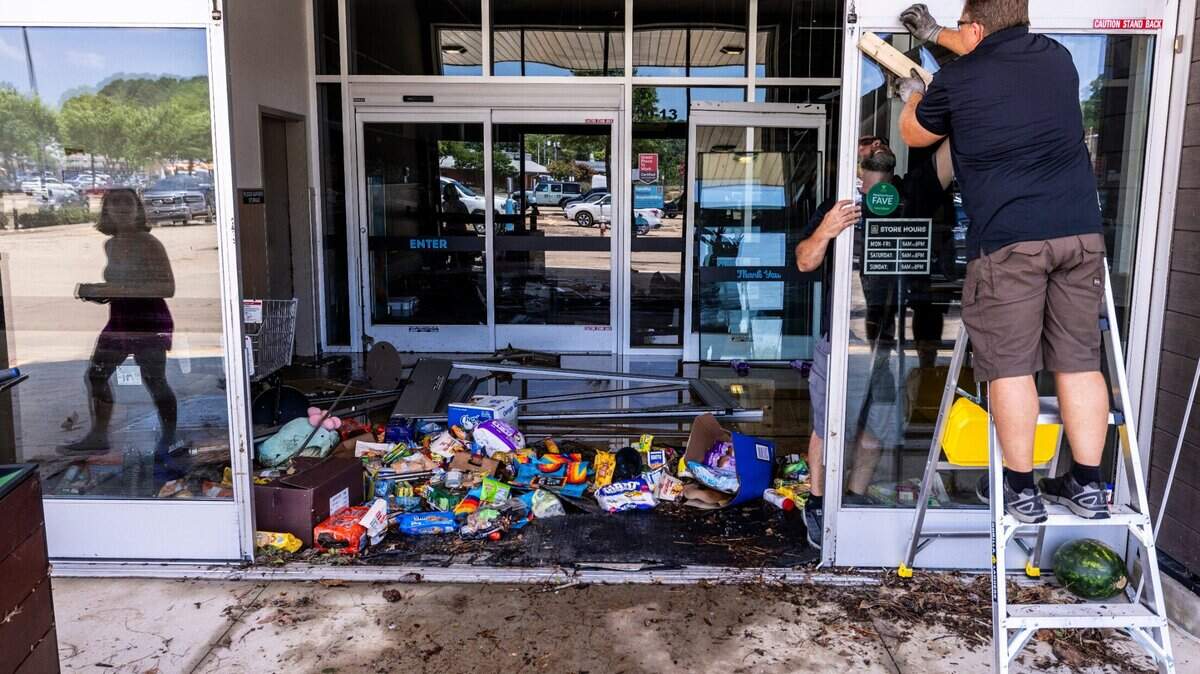
Tropical Storm Chantal was a stark reminder when it hit July 6, 2025, dropping 10 inches of rain on central North Carolina in just a few hours. The deluge overwhelmed storm drains, dams and emergency systems.
It also displaced 190 people in Orange County, damaged or destroyed over 360 homes and apartments and 116 businesses, and closed most of Chapel Hill’s Blue Hill District, a key economic area east of downtown. The county put recovery costs at $25 million.
A year later, eight public housing families remain in hotels, and one of Chapel Hill’s most affordable apartment complexes is largely vacant.
“Tropical Storm Chantal tested our community in unprecedented ways, but it also made us stronger,” Orange County Emergency Services Director Kirby Saunders said in a news release Monday.
Emergency responders are getting more training, and a joint effort by the county and town is collecting more data about weather conditions and how fast the water can rise, two factors that delayed the Chantal response, he said.
“The storm reinforced the importance of planning, communication and collaboration, and we’ve used those lessons to strengthen our preparedness and better protect our residents when future emergencies arise,” Saunders said.
The problem is rooted in the town’s location and decades-old development decisions.
Chapel Hill was founded on a prominent ridge where the Carolina Inn sits today, overlooking rocky hills and low-lying valleys and creeks. The steepest drop is about 250 feet to Estes Drive and the Blue Hill District that includes Eastgate Crossing shopping center.
Stormwater from 18.3 square miles used to land in boggy forests and farmland, but in 1958, Eastgate Crossing was built, and Booker Creek was channeled under the parking lot. Homes and more businesses were added, before modern stormwater rules.
Today, the business district has little green space, and Booker and Bolin creeks can swell quickly before joining Little Creek, east of Fordham Boulevard. From there, the water flows past Chapel Hill Country Club and Meadowmont en route to Jordan Lake.
Too much water, and the Pinehurst Drive bridge at the country club’s golf course becomes a dam, pushing water back into homes and businesses.
A 6-inch rainfall can add over 660 million gallons of water to Booker Creek, enough to fill UNC-Chapel Hill’s Kenan Stadium five times, a consultant told the Town Council earlier this year. Residents fear the future Carolina North mixed-use campus, which sits at the top of the watershed north of downtown, could make things worse.
Read more An acclaimed Durham sandwich shop just doubled its hours, stretching into supper
Chantal is reshaping how local emergency officials plan for and respond to major storms, the county reported:
These are some ways Chapel Hill and property owners have addressed flooding over the last 26 years, with varying success:
Yes, but it may never be ready for the amount of rain Chantal brought, Mayor Jess Anderson warned. She and other Town Council members started wrestling with stormwater solutions at a February meeting.
The plan to build five basins still doesn’t have a lot of support, primarily because it focused on flooding reduction at Eastgate. An N.C. State University team is reviewing the plan and could report back later this year.
Less flooding at Eastgate could still make a difference for downstream areas, Council member Theo Nollert said. A green infrastructure pilot program could also let residents see how well options like rain gardens and permeable pavement work, he said.
“It could also be the case that the council just needs to say that we need to go ahead and make the engineering investments that are going to keep people and property safe and, as is often the case, [the basins] will be sort of ugly in the short term,” Nollert said.
Government also needs to be more efficient and nimble, he said, pointing to constraints in state law that cost the town time and money when bidding out projects that cost over $500,000.
If the state process changed, it could give the town flexibility to handle smaller projects in-house, such as greenway repairs, Nollert said. The town might also avoid being a small player in the state system, where contractors look for more lucrative jobs, he added.
“How we set up all of these systems so they connect together to do good things for people who are affected by them should be an ongoing priority, where I think there’s a lot of room for every level of government to better serve its citizens,” Nollert said.
Whatever the decision, the town should be clear about what it can do and what residents can expect, said council member Wes McMahon, who watched neighboring homes flood last year.
Options could include working with homeowners, providing technical assistance and even recruiting creek cleanup volunteers, he said. Town staff are already adding green infrastructure ideas to the town’s land-use rules and could reach out to Asheville to learn more about their Hurricane Helene experience, he added.
“The level of rain that Chantal was — it was off the charts — so there’s only so much you can do,” McMahon said. “Post-Chantal, we have to put all the options on the table and make smart choices on what’s going to actually help the most people,” he said.
Read more Drug dealer sentenced in Johnston County teen’s overdose death