
AI-generated summary reviewed by our newsroom.
Buckets of rain poured on parts of the state, including in the Triangle, providing short-term relief to an intense holiday heat wave and long-term drought.
Read more This NC destination ranks among nation’s best places to visit. Why it’s special
More rain is in the Triangle’s future, but local experts say it’s not enough to get the area out of the drought.
“Still a lot of locations struggling with water, and we’ll continue to because just a few days of rainfall over several weeks and months to really come out of this,” said Barrett Smith, a senior service hydrologist with the National Weather Service said in a media briefing Thursday, July 9. “Happy to see the rain, and we’ll continue to take whatever we can get. But we continue to seeing significant impacts from this ongoing drought.”
Parts of northern Wake County, Durham and Orange counties saw 4-5 inches of rain, while other southern portions of the Triangle saw barely a half-inch. On Wednesday, July 8, there were reports of hail in Clayton, Cary and Holly Springs, among others.
Rain is less likely than it has been this week on Thursday, July 9, and Friday, but it will remain warm until a cold front brings possible thunderstorms and cooler temperatures to central North Carolina.
Scattered thunderstorms are forecasted in the area, especially in the afternoon and evening, Smith said, with most areas expecting less than a quarter-inch of rain but some places could see another inch.
Holly Springs became the latest Triangle town to add water restrictions, joining Raleigh, Durham and Wake Forest, among others. And Raleigh leaders gave city staff greater authority to enact stricter regulations.
Those restrictions, stage 2, would effectively ban lawn watering except by certain water-efficient methods.
The council did that because stage 1 restrictions have not reduced water demand. In fact, water demand has gone up when compared to last year.
Read more Large gas leak in downtown Durham secured after businesses near ballpark evacuated
Raleigh Water Assistant Director Ed Buchan told the council that “If we start to see a downward trend in overall demand then we can leave that [trigger] at 45%.”
But if water demand doesn’t fall, the city wants the flexibility to restrict water usage even further, he said.
The day after significant rainfall doesn’t typically draw as much water because people aren’t watering their lawns, he said. It’s hot, dry days when people do so that puts strain on the city’s water resources.
But, in order to alleviate water restrictions, North Carolina not only needs more rain but for it to fall where it matters.
“Parts of the Triangle saw more than 4 inches of rain or more this past week, but to substantially improve our drinking water supplies, it has to rain upstream of the reservoirs,” said Linwood Peele, a supervisor with the North Carolina Department of Environmental Quality Division of Water, in a news release. “It matters where the rain falls, and how fast it falls. The rain helped conditions here, but we need the lakes and reservoirs to fill back up, the groundwater and aquifers replenished and soil moisture restored.”
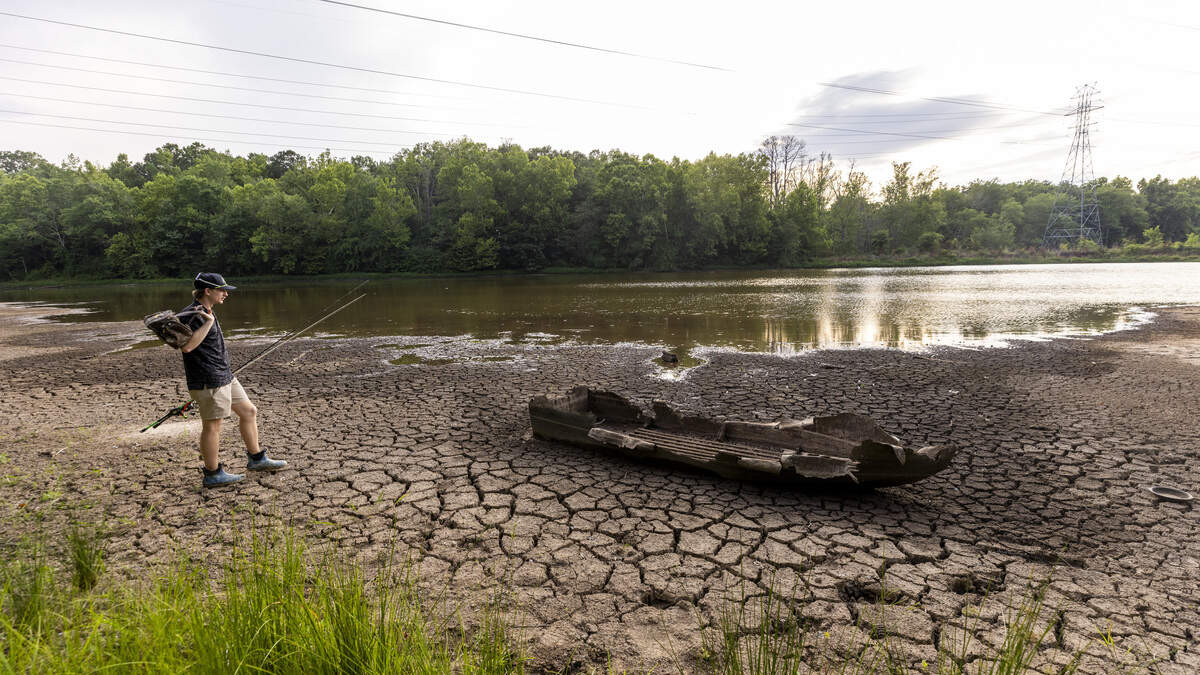
Nine counties, including parts of Wake, Durham and Orange counties, are in exceptional drought, the highest drought rating. About half of the state’s counties (46) are in extreme drought, and another 31 are in severe drought.
Streamflow, the flow of water in streams, and groundwater, the water that exists under the Earth’s surface, levels are both below normal or at record lows in parts of the state, according to the North Carolina Drought Management Advisory Council.
“It does help when we have rainfall like this, it helps because people don’t need to use as much water for irrigation or outdoor water use,” said Peele. “But to really help, we need those reservoirs to refill, and that will take time. We’re in a huge deficit.”
Read more Argentine soccer body has poured millions into Miami. FBI wants to know why
Reporter Nolan Wilkinson contributed to this report.