
AI-generated summary reviewed by our newsroom.
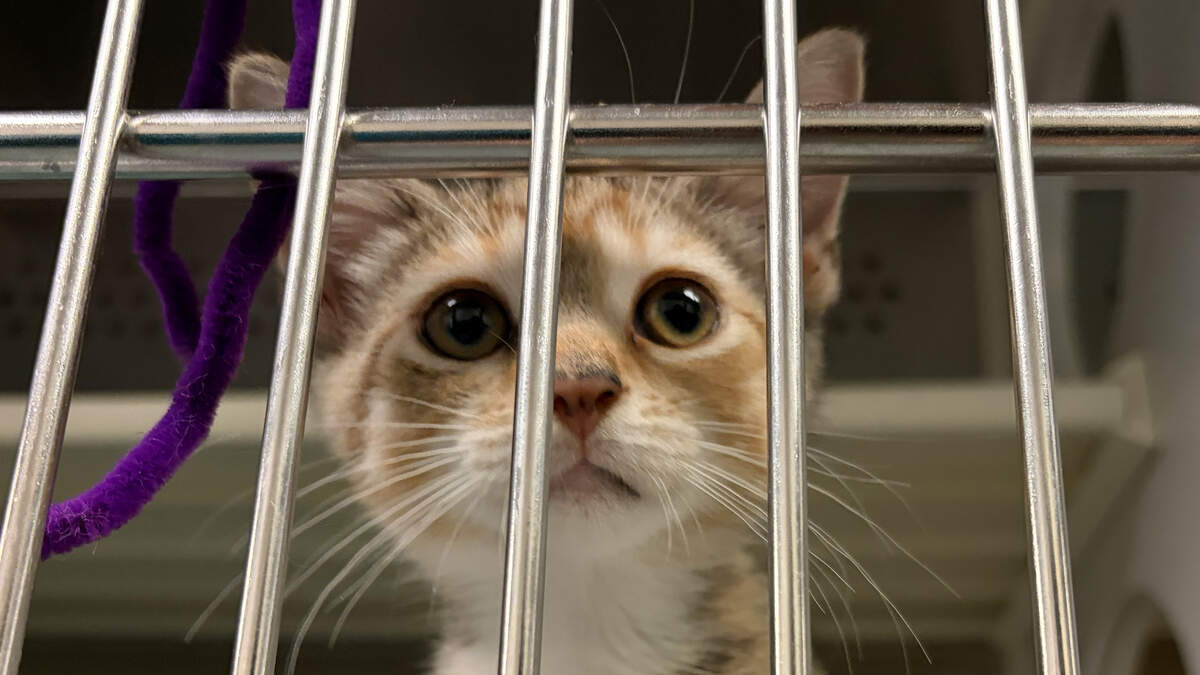
The Wake County Animal Center is asking people to adopt and look for lost pets after a post-Independence Day surge has pushed the shelter beyond the number of animals it was meant to hold.
Read more ‘Explosive’ parasitic infection cases continue rising in NC, across the US
The shelter is currently caring for about 630 animals. From July 1-10, it took in 271 animals, nearly double the roughly 150 it typically receives in a week.
Pets sometimes become separated from their owners during July Fourth celebrations and thunderstorms like those last week, bringing an influx of stray animals, said Meagan Frost, the shelter’s community outreach manager.
As Wake County’s only open-admission shelter, the center at 820 Beacon Lake Drive in Raleigh accepts every stray and abandoned animal brought to its doors.
“We’re kind of like the boots on the ground first responders for all animal control cases,” Frost said. “Our rescue partners, they are able to pick when they have space for the types of animals that they can take in. We don’t have that option.”
Not all of the animals currently in the shelter are ready for adoption.
Beginning in April, the shelter receives hundreds of kittens each month, many just 2 to 4 weeks old. Kittens can’t be adopted until they are at least 8 weeks old, weigh about 2 pounds and have been spayed or neutered, so many spend weeks in foster homes first, Frost said.
Other animals have to stay at the shelter during legally required stray holds, typically three to five days, during which owners can pick up their pets before they become eligible for adoption.
At the shelter last week, barking dogs filled all the kennel areas. Staff members moved in and out of animal sections to clean, care for animals and bring pets on and off the adoption floor.
Being above capacity means the shelter can no longer follow its preferred humane housing standards.
Dogs are normally housed in two connected kennel spaces, one for eating and sleeping and another for using the bathroom. When the shelter runs out of room, staff have to house multiple dogs together. The adoption floor is designed to humanely house about 85 dogs but can hold about 120 like this.
Frost said overcrowding increases stress for animals and makes daily care and disease prevention more difficult for staff and volunteers.
“If it comes down to euthanizing a healthy, adoptable animal for space or dropping the guillotine door [separating the kennel feeding and bathroom spaces] and then packing them in like little sardines, we’re gonna pack them in like little sardines,” Frost said.
Read more Duke Energy, state officials reach settlement in NC electric rate hike case
More than 20,000 dogs and cats were euthanized in North Carolina shelters in 2024, giving the state a 27% euthanasia rate, more than three times the national average, according to data from the N.C. Department of Agriculture compiled by WRAL Investigates and national data from the ASPCA.
The shelter euthanizes animals for medical and behavioral reasons, especially when it is the most humane option for the animal or necessary to protect public safety. But Frost said it has not euthanized a healthy, adoptable animal because of space in about a decade. Staff warn people surrendering pets that euthanasia is always a possibility, however, particularly when shelters are full.
The center has issued capacity pleas since 2023 as shelters across North Carolina struggle with overcrowding. Frost said the shelter can’t send animals elsewhere because other shelters and rescue organizations are also struggling.
Rental housing restrictions have become the biggest driver of dog intake at the shelter.
Many apartment complexes and rental homes prohibit certain breeds — most commonly pit bulls, German shepherds, huskies and hounds — or ban dogs weighing more than 30 pounds. Frost said the same restrictions also make those dogs harder to adopt, meaning they often stay in the shelter longer.
Rising veterinary costs also make it more difficult for families to afford emergency care that could otherwise allow them to keep their pets.
“There needs to be more options for proactively keeping pets with their families,” Frost said. “The cost of everything has gone up astronomically. …We can’t force landlords to take pets, we can’t force the cost of veterinary care to go down, and this is just a symptom of a much bigger problem.”
Wake County has one possible solution in the works.
The Board of Commissioners approved the design for a new animal facility in January, and the project is continuing through the design process with construction expected to begin in 2027.
The planned 54,600-square-foot facility in eastern Wake County will increase capacity for dogs and cats by more than 50% and will be built on a larger site than the current shelter, which has no room to expand.
The new center will include a community veterinary clinic to help address rising veterinary costs, and training space for staff, volunteers, foster families and community members.
The shelter’s biggest need right now is adopters.
Frost also encourages anyone whose pet went missing around the Fourth of July or recent storms to check the shelter’s website frequently and visit in person.
Read more 14-year-old boy shot man mowing the lawn in rural North Carolina, sheriff says
This story was originally published July 13, 2026 at 11:30 AM.