
AI-generated summary reviewed by our newsroom.
A study tracking hundreds of deer across Durham and Orange counties found vehicle collisions are a leading cause of death for urban deer, prompting researchers to look for new ways to reduce conflicts between deer and people.
Read more NC State women’s basketball confident it can compete for hardware this season
North Carolina is home to about 1 million white-tailed deer after decades of efforts to restore the population following overhunting and habitat loss.
To better understand how development is affecting deer, teams from the N.C. Wildlife Resources Commission and N.C. State University tracked 314 deer from early 2022 through April 2025, from urban areas near downtown Durham to rural farmland.
Researchers studied deer survival, reproduction, movement and population growth.
The impacts of urban development on deer are not unique to Durham or North Carolina, said April Boggs, a deer biologist with the wildlife commission. Similar patterns exist across the country, but the North Carolina study helped researchers better understand the conflicts between deer and people that can come with development.
One of the key findings was that adult deer survival rates were similar across rural and urban areas. More than 77% of does survived each year, but the causes of death changed as development increased.
In rural areas, regulated hunting was the main cause of death. But in urban and suburban areas, where hunting is limited, vehicle collisions killed the most deer.
Reducing deer-vehicle collisions is an important challenge because crashes pose risks to both people and wildlife.
“Finding ways to reduce deer populations in urban areas, to reduce that risk of deer-vehicle collisions, or finding ways to increase hunter harvest, is really the safer approach,” said Christopher Moorman, a co-investigator on the project and professor of wildlife ecology at N.C. State.
According to the N.C. Department of Transportation, Orange County recorded 985 animal-related crashes and Durham County recorded 551 between 2022 and 2024. Wake County had the highest number statewide with 2,676 crashes.
State transportation officials estimate about 90% of reported animal-related crashes involve deer.
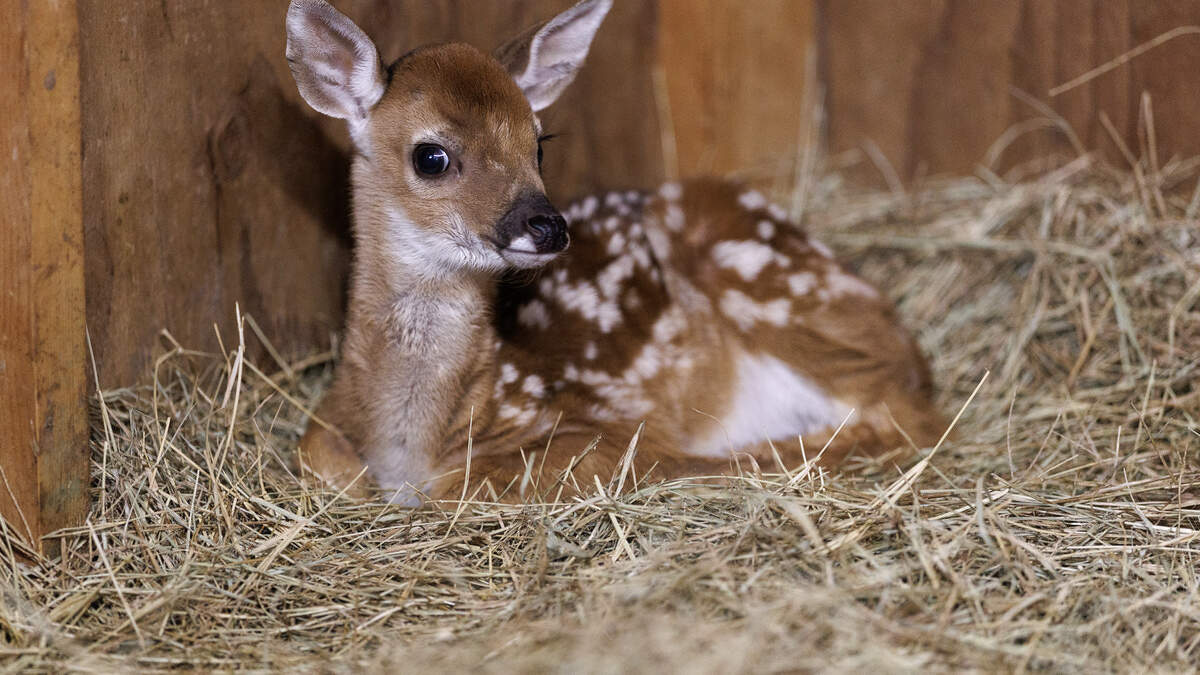
The study also revealed differences among young deer. Only 7% of urban fawns survived their first year, compared with 41% of rural fawns.
During the fawns’ first four months of life, coyotes were the leading cause of mortality, followed by vehicle collisions.
Researchers knew the fate of 106 fawns younger than 1 year old, and nearly half were killed by predators, almost all of them coyotes.
Despite vehicle collisions killing deer in developed areas, researchers found both urban and suburban deer generally avoid pavement and roads.
Read more Heavy rain and storms, with possible flooding, forecasted for Raleigh area
Moorman said deer may be more likely to be hit by vehicles in urban and suburban areas because there are more roads and traffic. Findings also showed deer travel more during the fall and winter while searching for food and mates, which could increase their chances of crossing roads they would otherwise avoid.
Researchers found deer also adjusted their behavior around people. Female deer become more active at night and male deer become less active overall in urban areas.
One of the biggest challenges is managing deer in suburbs, where the animals can find plentiful food in landscaped yards but are also more likely to come into contact with people.
“We were actually finding that the suburban areas, in between urban and rural, are actually having some of the highest population growths [for deer],” Boggs said. “That will lead to increased conflict between people and deer and between deer and people.”
Gathering data required years of tracking deer around the clock.
In rural areas, the researchers typically placed corn beneath elevated stands and used tranquilizer darts to sedate and fit deer with GPS collars that transmitted their locations through satellites.
In more residential areas, teams used remotely triggered drop nets placed over bait. This reduced the risk of deer running into yards or nearby properties after being darted. Once deer were sedated, they were collared in the same way. The GPS collars also helped when deer died. If a collar stopped moving for four hours or more, the signal changed, alerting researchers that the deer may have died and needed to be investigated.
They also monitored births by giving pregnant female deer vaginal implant transmitters that were expelled after delivery, signaling when fawns were born, so tracking could begin immediately.
The project housed field technicians in a rented Durham home for three years so they could be on call 24/7 to capture deer and respond to mortality events.
Boggs said the study offers several potential ways to reduce conflicts between people and deer.
Along roadways, wildlife corridors and fencing can help direct deer movement and reduce collisions. Fencing should be designed without spikes or features that could trap or injure deer. Homeowners can also help by choosing landscaping plants that deer are less likely to eat, which are often more fragrant or have tougher textures.
The state’s urban archery season also gives municipalities a way to extend hunting opportunities in more developed areas, reducing conflicts such as vehicle collisions and property damage. The wildlife commission is working to make it easier for municipalities to remain enrolled.
Deer have adapted to living alongside people by changing their movements and behaviors, but Boggs said proper management is still important as populations grow.
“Our goal was to provide the deliverables to the state agency so that they could have more informed deer management in North Carolina, which is an urbanizing state,” Moorman said. “We also hope our research is relevant to other urbanizing metropolitan areas in the eastern U.S.”
Read more Expect heavy traffic on these Raleigh roads for Noah Kahan, Guns N’ Roses shows