
AI-generated summary reviewed by our newsroom.
The primary water source for Raleigh has risen significantly after recent rain and storms.
Read more Could Charlotte FC get their own stadium? MLS’s top exec weighs in
Falls Lake, which provides drinking water to more than half of Wake County, has risen from 66% last week to 84%. That’s technically full enough to trigger the end water restrictions in Raleigh.
Water restrictions have been in place for Raleigh Water customers, which include 650,000 people in Raleigh, Wake Forest, Rolesville, Knightdale, Wendell, Fuquay-Varina and Zebulon, since April.
The “exit trigger” to stop water restrictions in July is 75% and 70% in August, according to the city’s Water Shortage Response Plan.
“We are still evaluating the overall hydrologic outlook due to the highly unusual nature of this drought,” said Edward Buchan, assistant director of Raleigh Water, adding the city will have a more formal response on Wednesday, July 29.
There have been more than 1,100 violations reported with 213 official warnings, eight $50 penalties and two $200 penalties issued to Raleigh Water customers for violations, according to Julia Milstead, public information officer with the city.
Read more NC Senate passes elections bill cutting primary early voting days, more tweaks
North Carolina saw its largest rain event in over a year last week with some parts of central North Carolina seeing 4 to 6 inches of rain, with Raleigh gaining 2.4 inches over 24 hours, according to the National Weather Service.
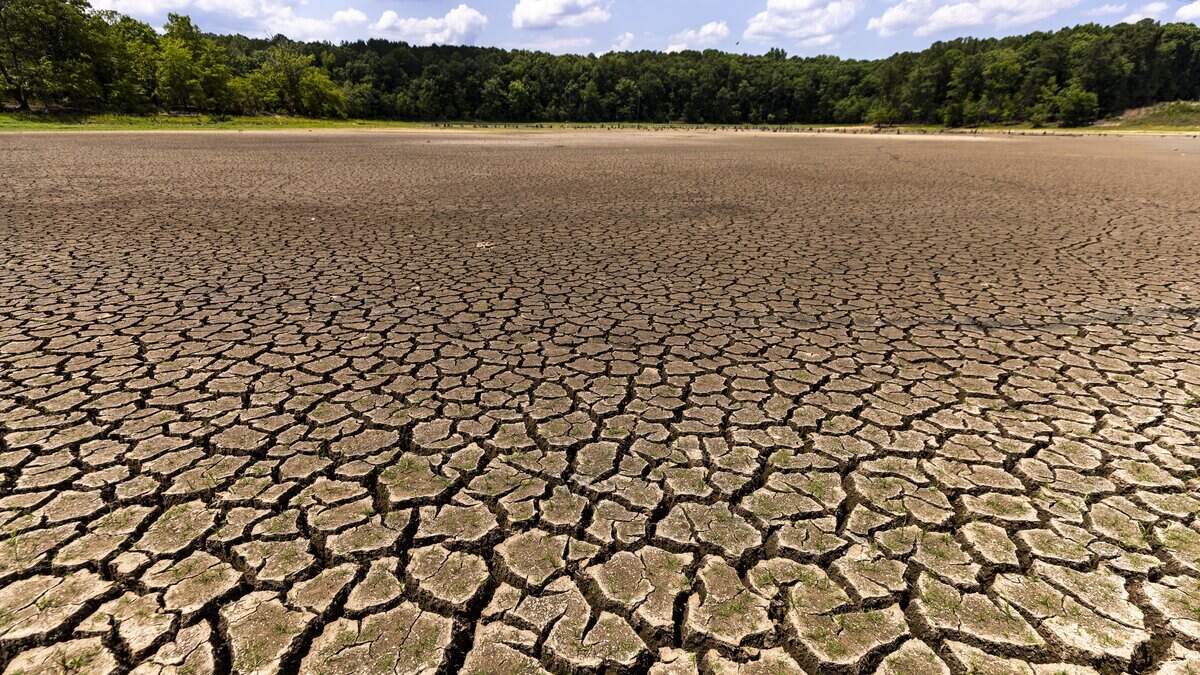
Parts of Wake, Durham and Orange counties were in “exceptional drought” in June, but conditions improved enough to move Wake County to “severe drought,” the second-worst drought category, with most of Durham and Orange counties in “extreme drought,” the third-worst category, The News & Observer reported previously. A new drought update will be released on Thursday, July 30, by the North Carolina Drought Management Advisory Council.
“All of our reservoirs are still challenged,” said Klaus Albertin, chair of the advisory council and water resources engineer with the North Carolina Department of Environmental Quality’s Division of Water Resources, in a news release last week. “The last few weeks have really helped them stabilize, but we’re not seeing improvements yet. It’s a good thing, but we’re going to need more rain for them to start filling up.”
It’s possible for the lake to make a “meaningful recovery” while still being in a high level of drought, Buchan said last week after the recent storms.
Earlier this month, elected officials gave Raleigh staff the ability to enact stricter rules and stronger enforcement, after water use didn’t decline in June, The News & Observer previously reported.
Read more NC Helene disaster camps cost $111M, more than half a million a day, audit finds