
AI-generated summary reviewed by our newsroom.
Nearly a quarter of all North Carolina residents will be 65 or older by 2060. For many, remaining in their homes through old age is the primary goal, but it’s not always feasible. Aging experts encourage people to plan ahead to help with making tough decisions later in life. The News & Observer’s guide aims to help. Here’s how to begin that search and what to know to ensure loved ones have a safe place to live.
Read more NC legislators want criminal probe into DSS workers over Charlotte child’s death
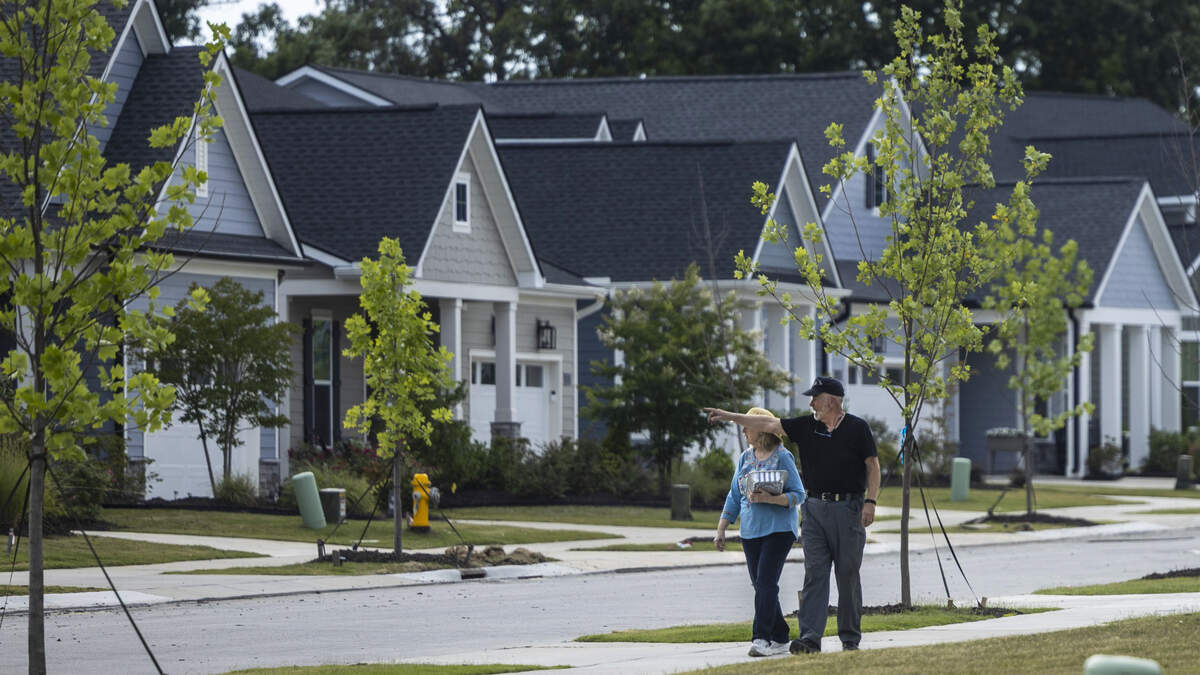
Mary Bethel lives in Fuquay-Varina, and she has seen the number of new homes built in the area explode.
“We have a whole large number of communities that have sprung up. … (Grandparents) come down, they look for a single-story home and they want to be near the grandkids,” Bethel said.
North Carolina is getting older.
By 2042, the state is projected to jump from 1.9 million people to more than 2.8 million people who are 65 years or older, according to state data. Right now, in 88 counties, there are more people over the age of 60 than there are people under the age of 18. Nearly 50,000 people over the age of 60 moved to North Carolina from another state or country in 2022.
Bethel, chair of the North Carolina Coalition on Aging’s Board of Directors, and other aging experts and advocates warn too many seniors have not planned for their future long-term care. Many hope they will be able to live independently in their homes, often called aging in place.
“I think there’s a recognition that aging in place is everyone’s goal, but it’s the rare person who actually ends up doing that,” said Rae Dawson, who teaches about aging in place and continuing care retirement communities at the Osher Lifelong Learning Institute at Duke University.
Read more Explosives training begins near NC coast. You may want to avoid these areas
There are some programs and resources that can help keep people in their homes with support instead of needing a skilled nursing or assisted living facility.
Seniors need to ask themselves what matters to them: Is it being near family or grandchildren, near friends or places with certain amenities? But many don’t consider if their new home was built with accessibility in mind.
“I can’t tell you the number of people, older friends I have, who have moved to new houses with no downstairs bedroom,” Bethel said. “What are you thinking? If you break a hip, how are you going to get upstairs? If something else happens and you have mobility impairments for a while, are you going to set up in your living room on the sofa? What’s the plan?”
The AARP advocates for universal design standards, which includes:
“People need to be aware that the abilities I have today may not be the abilities I have in five years,” Bethel said. “And if I’m trying to plan long-term, I need to think about things that could be a reality.”
Read more Downtown Apex construction cited in at least one business closure. What we know