
AI-generated summary reviewed by our newsroom.
At least 110 cases of an illness causing “explosive bowel movements” have been reported in North Carolina since May 1.
Read more Raleigh’s water restrictions have not done enough. What the city could do next.
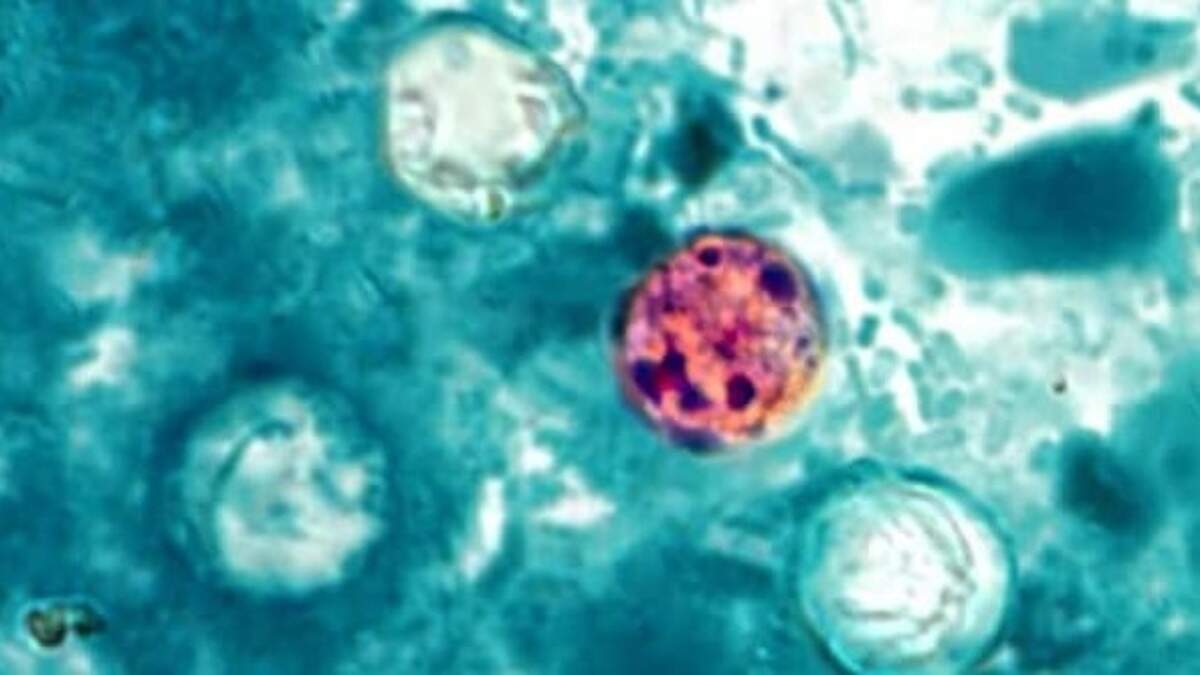
Nearly 150 people have contracted cyclosporiasis, an illness caused by the parasite cyclospora, in the United States since May 1, according to the CDC. Other cases have been contracted outside the United States.
North Carolina is not reporting any outbreaks and has not identified a common source linking the cases as of Monday, July 6, according to the North Carolina Department of Health and Human Services.
Cyclosporiasis “usually causes watery diarrhea with frequent and sometimes explosive bowel movements.” according to the CDC.
According to the CDC, symptoms include:
Less common symptoms may include:
“While many other foodborne illnesses are associated with meat and animal products and can be prevented by proper cooking and pasteurization, cyclospora is often associated with fresh herbs and produce that are served uncooked and so prevention is much more challenging,” NCDHHS Press Assistant Sean Doyle told The Charlotte Observer via email. “If present, Cyclospora can survive the trip from the field, where produce is grown, to the plate.”
Duke Medicine Professor Cameron Wolfe said that for many people, cyclosporiasis won’t be severe enough to bring them into a doctor’s office.
“Many people, in fact, probably have it mild enough that they never actually even present to their physician to get seen or tested, so chances are the actual number of cases is noticeably higher than that, and we sort of scratch the surface each year with the number of tests that we run,” Wolfe said.
Older people and immunocompromised people at high risk from illnesses that present with intestinal distress could be hit hard by cyclosporiasis, but the range of symptoms varies.
“I think for the general community this is not a big issue, it should be a healthy reminder to think about the way that GI parasites can be transmitted,” Wolfe said. “It’s spread by contaminated food and water, so it’s a good call out to wash your fruit and vegetables and salads, like we should probably be doing anyway.”
Read more Marcellus Wiley Ordered to Stay Away From Annemarie Wiley Amid Battery Arrest
For some people, the illness passes in days and for others, weeks. Wolfe said some people have recurrent symptoms, after the body tries and fails to fully fight off the illness.
Wolfe said cyclosporiasis often lasts longer than food poisoning, which can cause similar symptoms.
“Salmonella or undercooked chicken or eggs, or these sorts of things, they’re usually one to three days and wash out of your system, literally,” Wolfe said. “Whereas I think cyclospora has the potential, in many cases, especially the at-risk people, for lasting much longer.”
Cyclosporiasis can be treated with a combination antibiotic, Trimethoprim-sulfamethoxazole. Most people recover without treatment.
Wolfe said that without an identified cause, it is best to focus on food safety overall.
”People often take a few days between when you’ve consumed the contaminated food and when they actually get sick, so it’s really hard to actually remember (what they ate),” Wolfe said. “To pin down what might have been the contributing thing is actually really tricky.”
The FDA recommends taking these steps to properly clean produce:
Questions about life in North Carolina? Or have a tip or story idea you’d like to share? The service journalism teams at The News & Observer and The Charlotte Observer want to hear from you.
You can submit your question by filling out this form.
This story was originally published July 6, 2026 at 4:38 PM with the headline “Cases of cyclosporiasis, ‘explosive’ illness from parasite, are rising in NC.”
Read more Former G.R.L. Member Lauren Bennett Dead at 37: ‘Our Hearts Are Broken’