
AI-generated summary reviewed by our newsroom.
Mosquitoes in Wake County are rapidly evolving resistance to the insecticides most commonly used to kill them, according to two new studies from NC State University. The trend is strongest in wealthier neighborhoods where residents spray more often.
Read more Press access blocked at some NC Senate race events. How does it impact the public?
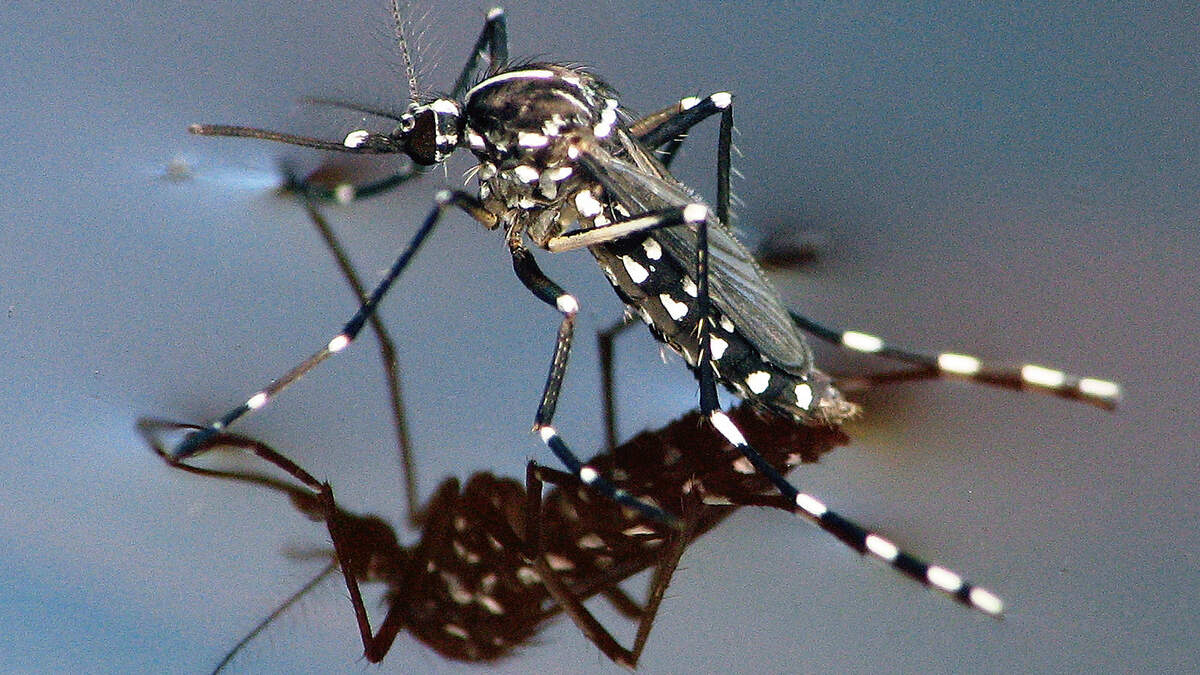
Researchers tracking the invasive tiger mosquito (Aedes albopictus) found that a genetic mutation making the insect resistant to pyrethroids, the group of chemicals used in most backyard mosquito sprays, went from undetectable in 2016 to present in over 80% of sampled locations by 2023. Nearly 40% of all mosquitoes sampled that year carried the mutation.
A companion study found that resistance was tightly linked with neighborhood age and property values. Based on previous work that showed affluent North Carolinians apply insecticide more often, these results suggest that older, wealthier neighborhoods are driving the increase in resistance through more frequent spraying.
Martha Burford Reiskind
Researchers were shocked at how rapidly resistance increased, said Martha Burford Reiskind, associate professor of biological sciences at NC State and co-author of both papers.
“We never thought it would look like this,” Burford Reiskind said. “We were shocked at how rapidly it rose, given that we don’t have centralized mosquito control.”
The stakes go beyond itchy ankles. Tiger mosquitoes can transmit dengue, Zika and dog heartworm, and pyrethroids are the safest tool available if a local outbreak occurs.
“What we want is a really effective tool to really bring down populations rapidly, and the most effective way to do that is with pyrethroids,” Burford Reiskind said. “We want to keep them susceptible. They are truly the most deadly animal on the planet.”
Jennifer Baltzegar, assistant professor at Augusta University in Georgia and lead author of the resistance study, cautioned against reading the findings as proof the chemicals no longer work. She calls the mutation a sentinel — an early sign that resistance is building, not proof that insecticides have stopped working.
“I don’t think it’s an immediate concern for failure of pyrethroids and an inability to manage an outbreak if one were to happen,” Baltzegar said. “But I think it’s worth people knowing about and caring about.”
The good news, researchers say, is that many effective ways to reduce mosquito populations don’t involve chemicals. Tiger mosquitoes breed almost exclusively in small pockets of standing water, not ponds or wetlands, according to Cole Butler, lead author of the socioeconomic study and postdoctoral researcher at the University of Georgia.
“It’s almost always artificial containers,” Butler said. “That’s 90% of the issue.”
Butler said flowerpots, kiddie pools, clogged gutters and forgotten dog bowls are common culprits. Because larvae take about 10 days to mature, dumping standing water weekly, especially in bird baths, breaks that cycle.
“If you dump it and refill it every week, you’re fine,” Butler said.
For pet owners worried about heartworm, Baltzegar recommends a lower-impact alternative to spraying: monthly prevention pills.
Read more Taylor Frankie Paul Defends Being on Social Media As She Faces Legal Issues
“Honestly, I would recommend a homeowner give their dog the prevention before spraying,” she said. “That’s a much more effective way to prevent heartworm.”
For water that can’t be emptied, Burford Reiskind recommends larvicide dunks, floating blocks harmless to other animals that kill mosquito larvae before they become adults. For households that do spray, she recommends rotating products and strategies instead of using the same product repeatedly, which leads to resistance.
Michael Reiskind, professor of entomology at NC State and co-author on both papers, frames insecticide effectiveness as a shared resource that individual spraying decisions can erode for everyone.
“Insecticide susceptibility is a public good, right?” Reiskind said. “We want to be able to kill our mosquitoes when we need to kill them.”
That risk, he said, should be of particular concern to the pest-control industry itself.
“The private mosquito control companies should be the most interested in it and concerned about it, because it really suggests that their industry is going to be threatened,” Reiskind said. “If what you spray doesn’t work, the free market will take care of you. You’ll be out of business.”
The idea for the research actually came from industry. Reiskind said a pest-control company had mentioned getting repeat calls from a single, wealthier Raleigh neighborhood.
“They had told us that there were a couple of areas in Raleigh where they would often get callbacks,” Reiskind said. “It was also like a wealthy older neighborhood, and so we were just kind of wondering, like, well, maybe there’s resistance there.”
Researchers say the response from the public has been encouraging. Homeowners who let the team set traps on their property received nothing in return but the findings themselves, Baltzegar noted. Butler said residents were consistently curious rather than defensive when he explained the research door to door.
“Folks are eager to know about it and learn more and do something if you engage with them,” Butler said. “We’re trying to make the public informed about the consequences of certain actions, so that they may make steps in the future to address those problems.”
Buford Reiskind emphasized that the trend toward resistance can still be undone.
“This is happening, (but) we’re in the early stages of it,” Burford Reiskind said. “There’s a lot we can do to turn it around.”
Read more Popular restaurant chain opens third Triangle location in Durham
This story was originally published July 24, 2026 at 5:40 AM.