
AI-generated summary reviewed by our newsroom.
Summer 2026 has felt chock-full of produce recalls, both voluntarily and by the FDA.
Read more Raleigh delays youth curfew vote, will hold community forum after ‘teen takeovers’
North Carolina has seen hundreds of cases of cyclosporiasis this summer. Cyclosporiasis is a parasitic infection that causes prolonged, “explosive” diarrhea. In much of the country, cases were tied to shredded lettuce sold by distributor Taylor Farms. North Carolina officials have said cases here are not linked to the lettuce.
While a specific source hasn’t been identified, the North Carolina Department of Health and Human Services has said sickened people ate parsley and cilantro more frequently on average than most of the population.
Since the cyclospora outbreak began, produce has been linked to other stomach illnesses.
Produce distributed in North Carolina, as well as other parts of the country, has been tied to E. coli and salmonella cases, including two cases of co-occurring E. coli and salmonella.
People can become infected with salmonella by eating raw and undercooked foods, such as meat, poultry, eggs and raw milk. People may also get salmonella from handling animals, including pets. In recent years, more outbreaks have been caused by consuming fresh produce, according to the NC Department of Public Health and Human Services.
E. coli bacteria is naturally found in the body, but some types are harmful to human beings. These forms produce Shiga toxins, which cause illness. Around 100 people die in the United States yearly of E. coli infections, according to the NC Department of Health and Human Services.
Primary sources of E. coli include raw and undercooked ground meat, raw milk and fecal contamination of produce, according to the World Health Organization. Cooking foods thoroughly and washing (and if possible, peeling) produce helps lower risk.
Outshine Bars have also been recalled, including in North Carolina, because they may contain glass. In other parts of the country, eggs have also been tied to illness, but they have not been distributed in North Carolina.
Here are the fruits and vegetables distributed in North Carolina that have been tied to infection. Not all have been recalled.
Parent company Dreyer’s Grand Ice Cream voluntarily recalled several flavors of Outshine Fruit Bars in August due to possible glass fragments.
The recalled desserts include 6-count (2.5 ounce) packages of strawberry, watermelon, grape, tangerine and black cherry fruit bars. Outshine Fruit Bar 24-count (2.5 ounce) variety packs were also affected. Specific batch codes are listed at fda.gov.
The bars were sold at major grocery chains including Publix, Harris Teeter, Walmart and Food Lion, according to an online product finder on Outshine’s website.
Smaller glass shards likely won’t cause symptoms, but bigger pieces with sharp edges run the risk of damaging the throat, stomach and intestines, according to the National Capital Poison Center.
Hodo brand Chili Crisp Lightly Fried Tofu has been recalled by the company in 29 states, including North Carolina, because it may contain ink.
Read more ‘One Day at a Time,’ ‘Coach’ Alum Shelley Fabares’ Cause of Death Revealed
Hodo is not aware of any injury or illness associated with the affected product, the company said in a statement on its website on Monday, Aug. 31.
The recall has not been classified by the FDA. Other recalls in previous weeks have been classified as the most severe level of concern, which can cause severe illness or death.
Ink likely wouldn’t cause toxicity, but might cause an upset stomach, according to the National Capital Poison Center.
Consumers who purchased the tofu can request a product voucher using an online form through Hodo. Here’s how to tell if you have an impacted item:
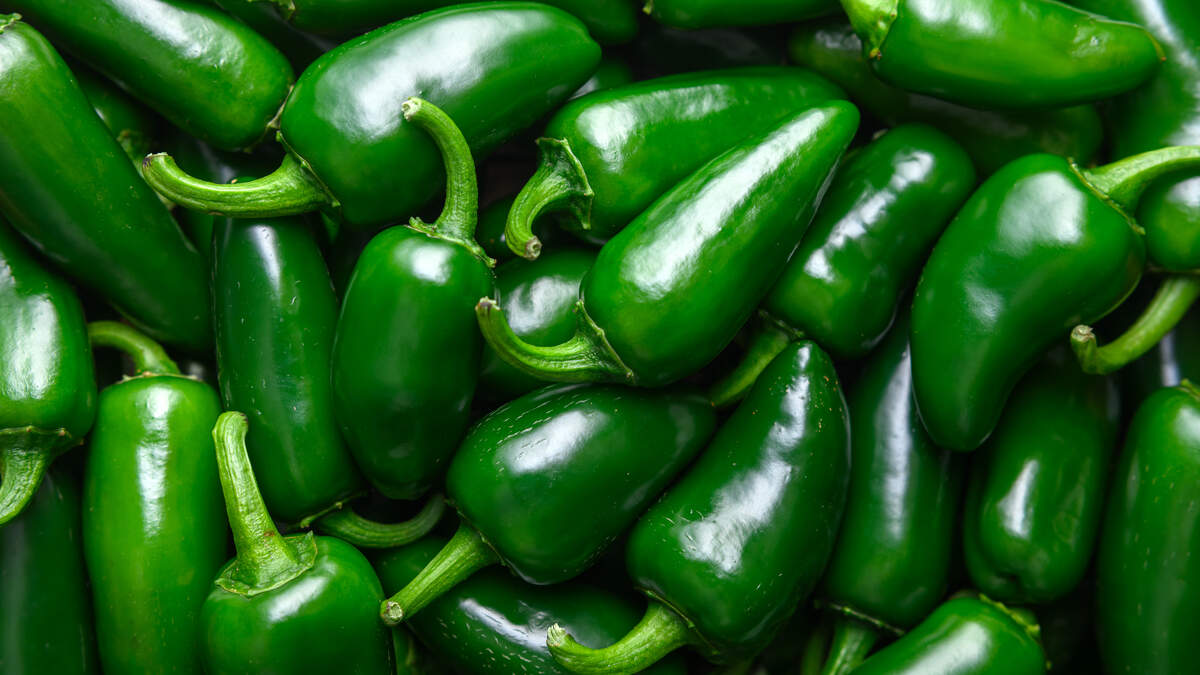
Jalapeños from Sinaloa, Mexico distributed by Coast Citrus Distributors were recalled after being linked to salmonella cases. Cases have been reported in North Carolina.
Individual companies have since recalled products, including Taylor Farms, the company that distributed lettuce tied to cyclospora cases this summer. Taylor Farms did not distribute jalapeños in North Carolina.
Salmonella linked to jalapeños sickened at least 345 people in 27 states, including North Carolina, according to the CDC. Three cases have been identified in North Carolina, the Charlotte Observer previously reported.
Frozen blueberries sold at Publix were recalled and then upgraded to the highest risk level. Class 1 recalls indicate “a reasonable probability that the use of or exposure to a violative product will cause serious adverse health consequences or death,” according to the FDA.
The blueberries have been linked to E. coli infections. They include:
More than 50 people have been sickened with either E. coli or salmonella — and two with both — after eating alfalfa sprouts. Two of the cases were in North Carolina, and 14 other states have been affected.
The cases have been linked to alfalfa sprouts grown by Everything Sprouts and sold under the Calco and Everything Sprouts brands at retailers and grocery stores. A recall has not been issued.
Portions of this story were previously published in The Charlotte Observer. Tanasia Kenney contributed reporting.
Questions about life in North Carolina? Or have a tip or story idea you’d like to share? The service journalism teams at The News & Observer and The Charlotte Observer want to hear from you.
You can submit your question by filling out this form.
This story was originally published September 3, 2026 at 6:00 AM with the headline “An updated list of NC grocery items that have been recalled this summer.”
Read more Why is Taiwan hiding the backers of its $20B US pledge?