
Contributing regularly to workplace 401(k) plans is widely viewed as a responsible step toward building long-term retirement security.
Read more Which ‘Ransom Canyon’ Stars Are, Aren’t Returning for Season 3 After Exits?
Yet a costly mistake hidden within those routine paycheck deductions can erode a household’s combined retirement savings year after year without attracting much attention.
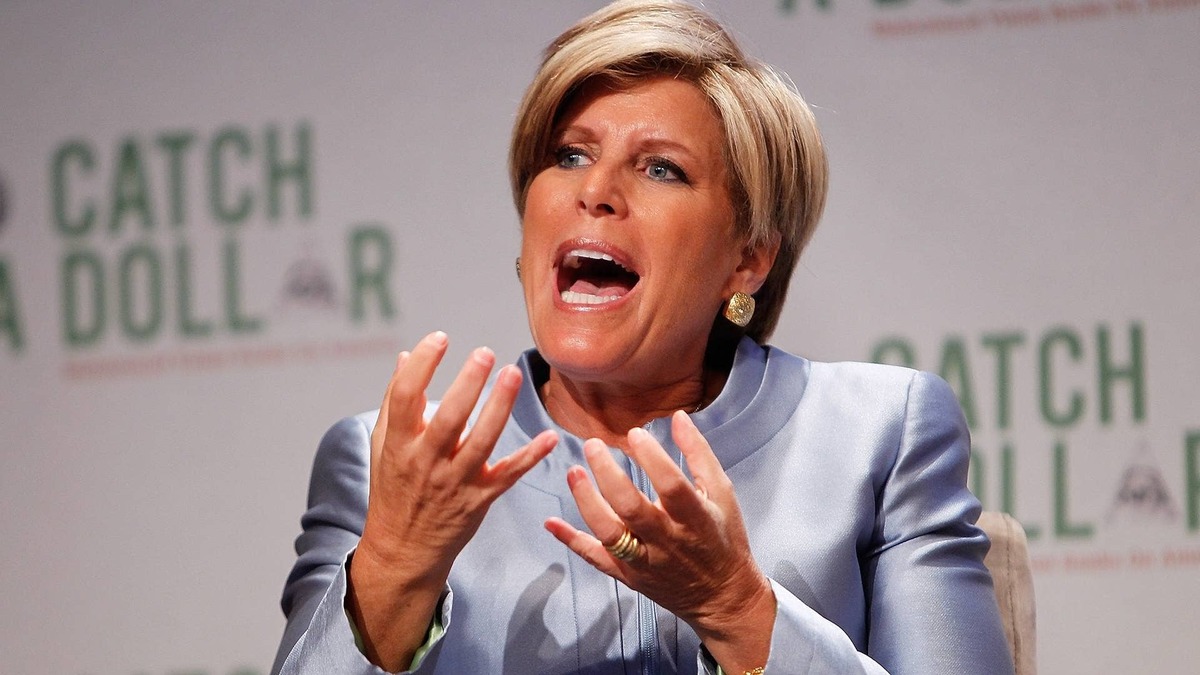
Personal finance expert Suze Orman flagged the problem in a blog post on July 23, drawing on recent findings from Boston College retirement researchers.
Her warning challenges a common assumption that two working spouses saving into their own separate plans are automatically making the most of their employer benefits. Which account gets funded first is what determines the outcome, not how much a couple saves.
The Center for Retirement Research at Boston College published a June 2026 brief examining how married couples handle retirement plan contributions across two different workplaces.
About one in five couples where both spouses have access to a plan fail to coordinate how they divide their retirement savings, the brief found.
Those couples forgo an average of $757 each year in employer matching contributions they could have captured without saving an additional dollar of their own.
That forgone match represents approximately 13% of those couples’ total annual retirement contributions, a significant share of their combined savings, the study found.
Over a full career, the compounding effect of missed matching dollars makes the long-term damage far worse than the annual shortfall alone.
The brief’s simulation estimated that couples who never correct the imbalance can expect about $14,000 less in combined retirement wealth by age 65.
For couples at the 90th percentile, the lifetime cost of failing to coordinate exceeds $40,000 in total lost retirement savings, the researchers calculated.
The problem grows out of a basic structural feature of employer retirement plans: no two companies use the same formula for matching worker contributions.
One spouse might receive a dollar-for-dollar match on the first 3% of salary, while the other receives a 50-cent match up to 6%, Orman wrote.
More Retirement:
Both formulas provide a benefit, but the dollar-for-dollar match produces a higher immediate return on every contribution dollar the employee puts in.
A couple that splits contributions evenly without comparing both formulas will capture less total employer money than one that funds the richer match first.
The difference is matching money that the employer was prepared to contribute, but the household never claimed, Orman wrote in her blog post.
“They think about retirement savings individually, not as a household system,” Jeff Judge, managing partner at Chesapeake Financial Planners, told Money.
The Boston College researchers built a matched employer–employee dataset covering approximately 500,000 couples by linking IRS tax filings with Department of Labor Form 5500 records from more than 6,000 defined contribution plans.
Read more Concert review: Noah Kahan made a Raleigh football stadium feel like New England
They supplemented the analysis with a custom survey of 1,000 married individuals to examine the factors behind their findings.
Evan Potash, Executive Wealth Management Advisor at TIAA Wealth Management, told Money magazine that the coordination failure is often a matter of awareness rather than intent, since many couples do not realize they are forgoing employer matching dollars until someone points it out.
Sometimes life can get in the way. People can’t act if they aren’t aware they are missing out on their full employer match
The problem splits nearly in half between accidental oversights and deliberate choices tied to low marital commitment and misperceptions about how retirement assets are divided in a divorce, the brief found.
More than one-third of surveyed respondents wrongly believed they would keep their own retirement accounts if a marriage ended.
Couples with joint bank accounts, shared mortgages, or children were significantly less likely to forgo available matching dollars, the study found.
Orman framed the fix as coordination rather than consolidation, urging couples to stop treating the two accounts as separate and start treating them as part of one household retirement strategy.
Couples need to compare both plans’ matching formulas at least once a year, then direct contributions first to the more generous match, Orman wrote.
After that match is fully captured, the remaining retirement dollars can flow into the second spouse’s plan for additional employer contributions, she added.
Employers can alter their matching formulas from year to year, and a job switch by either spouse can reshape the household math entirely, Orman noted.
She recommended an annual review of both plans to ensure the strategy stays current and aligned with whatever both employers are offering.
Orman stressed that capturing every available matching dollar is the highest priority for couples with limited savings capacity, but not the ultimate retirement goal.
The broader target for most workers is saving approximately 15% of annual pay toward retirement, with employer matching contributions included in that figure, she wrote.
Average employer matching contributions reached a record high of 4.7% of salary in 2025, Vanguard’s How America Saves 2026 report confirmed.
Combined with employee deferrals, the average total savings rate hit 12.1%, a figure that falls within the range retirement researchers recommend for long-term security.
For households on a tight budget, maximizing the match across both plans adds retirement wealth without requiring the couple to increase personal contributions, Orman emphasized.
Related: Suze Orman says this 401(k) habit is quietly hurting parents
The Arena Media Brands, LLC THESTREET is a registered trademark of TheStreet, Inc.
Read more A Raleigh senior’s dream-date with an old flame — Today in Triangle history
This story was originally published July 26, 2026 at 8:17 AM.