
AI-generated summary reviewed by our newsroom.
The torrential rains that the remnants of Hurricane Helene dumped on the North Carolina mountains two years ago this week washed out bridges and roads in more than 1,600 places, causing more damage than the N.C. Department of Transportation had ever seen in a long history of devastating hurricanes.
Read more Why 47% of Life Insurance Customers Quit in Year 3
Since then, all but about a dozen of those places have been repaired enough to reopen to traffic. Among the roads still closed is a section of U.S. 176 in Polk County and much of the Blue Ridge Parkway between Mount Mitchell State Park and Linville Falls that the National Park Service hopes to have rebuilt by the end of the year.
Despite the progress, many Helene road and bridge repairs are temporary. Years of work lies ahead to bring roads into permanent alignment and up to current standards designed to better withstand future floods and landslides.
Nearly $1.9 billion had been spent on Helene road construction projects by the end of August, according to NCDOT. The department estimates it has another $4 billion of work still to go.
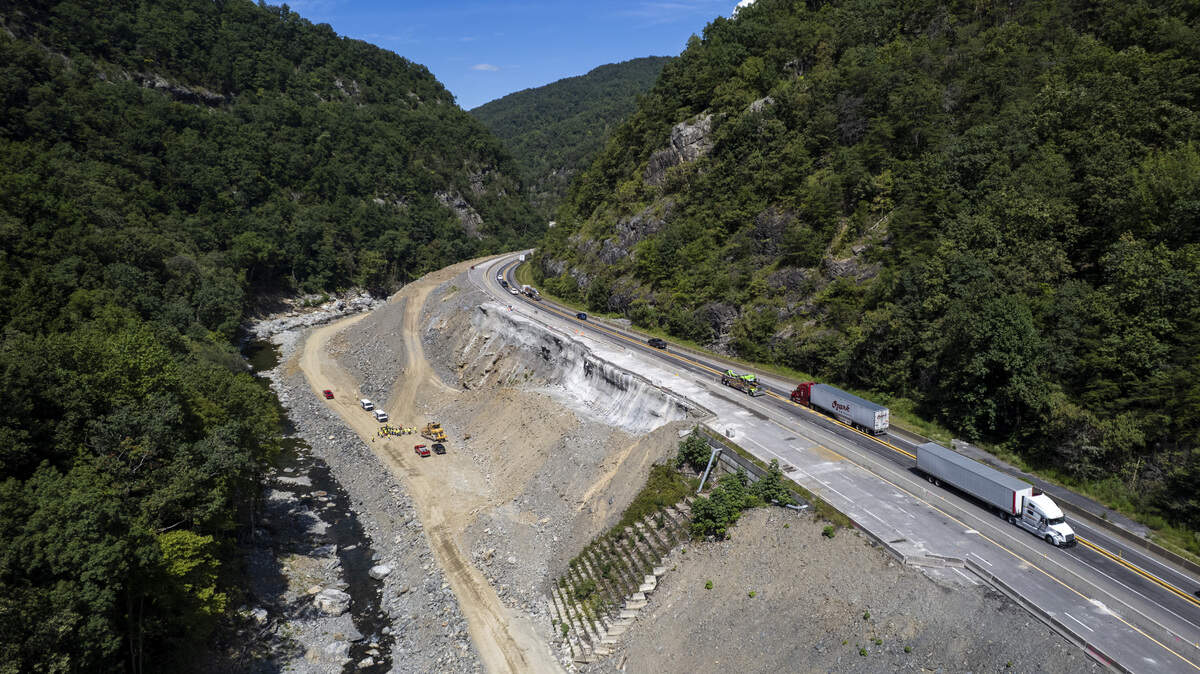
By far the most complex and expensive endeavor is the rebuilding of the eastbound lanes of Interstate 40 through the Pigeon River Gorge near the Tennessee state line. The flooding river undermined the rock and earth holding up long sections of pavement over five miles of I-40 in North Carolina and several more in Tennessee.
NCDOT says it will cost about $2.8 billion to restore just the North Carolina section of highway. The state hopes to have one eastbound lane rebuilt by the end of 2028, with both not fully open until late 2029.
The scale of the I-40 project is beyond any repair NCDOT has ever undertaken. The amount of stone required (2 million cubic yards taken from across the river in Pisgah National Forest), the number of enormous off-road dump trucks (about 50, running around the clock) and the number of people involved (350 now, ramping up to 500) dwarfs even big road construction projects, department officials say.
NCDOT and its contractors are building two different types of walls to restore and shore up the I-40 roadbed and hold it in place during future floods.
The first wall is made of roller compacted concrete, 30 feet thick, laid down in four-foot slabs that step back like an Egyptian pyramid up to 70 feet high. The concrete is made on-site, using stone mined from the national forest and trucked across the river.
To shore up more than five miles of I-40 will take an estimated 864,000 cubic yards of roller compacted concrete, said Blake Soblesky, the contract resident engineer.
Read more First round of tenants announced for new Wake County shopping center
“That is unprecedented really in the country,” Soblesky said this week. “The only locations they have done that much concrete would be for a large dam such as the Hoover Dam.”
Contractors began building the concrete walls last winter and have completed about 21%, Soblesky said.
The second type of wall is made of giant steel tubes, 36-inches in diameter, called interlocking pipe piles or IPP. The piles, which look like giant paper towel tubes, are driven 15 feet into bedrock and then filled with concrete.
The piles, some as tall as 100 feet, are used by themselves in the narrowest parts of the gorge where the concrete walls won’t fit. The pipes will also be driven down to bedrock at the base of the roller compacted concrete to keep floodwaters from undermining it.
It’s not uncommon for contractors to use IPP on bridge projects. But Ames Construction, the Minnesota-based general contractor on the I-40 project, expects to drive more than 7,000 interlocking pipe piles into the ground, more than has ever been used in one place anywhere in the world, said Josh Deyton, NCDOT’s regional construction engineer.
As of this week, only 210 of those piles are in place, Deyton said.
When the eastbound lanes of I-40 collapsed, the North Carolina and Tennessee highway departments began shoring up the surviving westbound lanes and converted them to two-way traffic in the winter of 2025. Now, about 21,000 vehicles a day — about half of them tractor-trailer trucks that have few options through the mountains — navigate the winding construction zone at about 35 mph.
For months, drivers couldn’t see much. Before contractors could begin putting up the walls, they needed to build a causeway along the river, at the base of the cliff, wide enough for trucks and equipment.
Now that contractors are driving piles and pouring concrete, the construction work is much more obvious and potentially distracting, particularly at night under the glare of lights, Soblesky said.
“As we go into this leaf season, drivers are going to see a lot more night work and a lot more lights shining down,” he said, adding that none of the construction work interferes with traffic. “It’s really about what they’re going to see on the work site changing that might distract them from the road.”
Read more 3 Great Netflix Movies to Watch Before They Leave Next Week (September 2026)