
AI-generated summary reviewed by our newsroom.
Several weeks ago, I reported that restaurants and stores can’t add a surcharge to your bill if you pay with a debit card, though they can if you use a credit card.
Read more Here’s where William Shatner and Flava Flav dined while in the Triangle
I left out something important, though, which a reader alerted me to.
There are some debit card transactions that result in added fees.
If you’ve paid your state income taxes or local property taxes with a debit card, you’ve come across this.
In the reader’s case, though, it was a payment to the Division of Motor Vehicles. The reader took a screenshot of my article on debit card surcharges to the office and mentioned it to someone working there, “knowing it wouldn’t make a difference.”
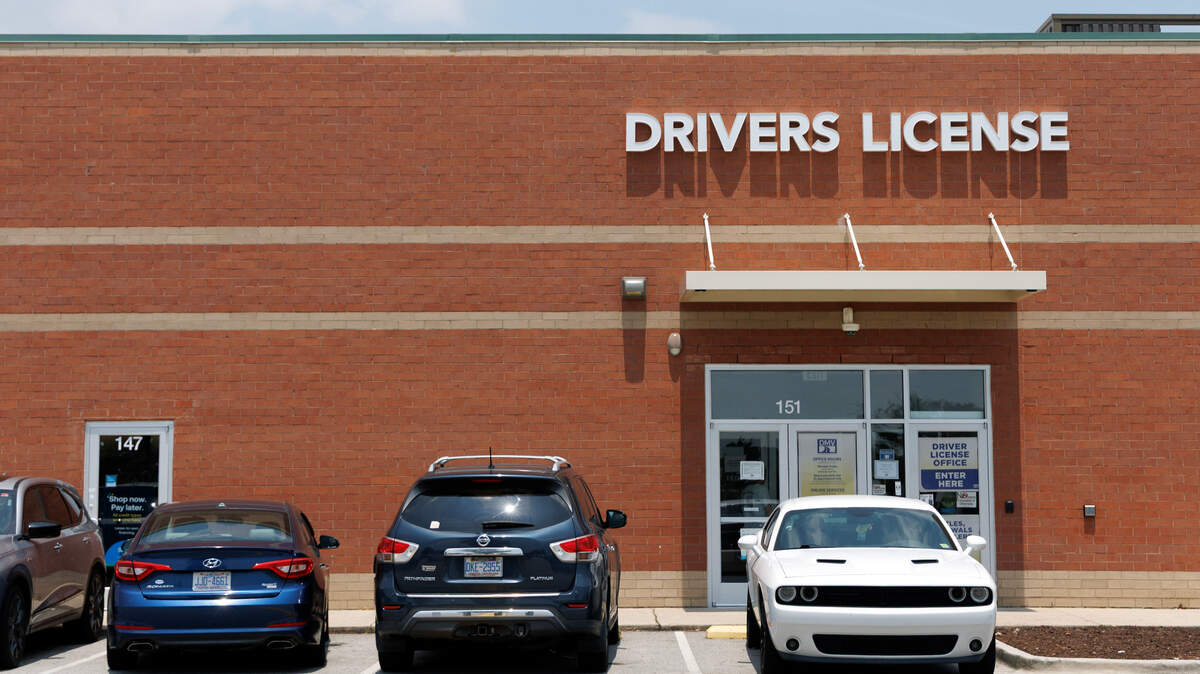
If you use a debit card at a DMV office, on its website or at one of its grocery store kiosks, you’ll be charged a “processing fee.” And yes, you’ll also be charged that fee if you use a credit card.
The DMV began collecting fees for all card payments in July 2024 to help cover the amount banks charge the DMV to process transactions.
Rates DMV customers pay depend on where they’re conducting business. The lowest fee, charged for in-office transactions, is 1.22%. Online, customers are charged 1.85% plus $3 — fees that “are used to deliver quality services more efficiently with no upfront costs to NCDMV,” the division says on its website. And at grocery store kiosks, customers are charged 2%.
The DMV isn’t profiting from these fees, communications director Marty Homan told The News & Observer in an email. Rather, the money goes into a separate account and is used “only to meet our obligations to the card processors.”
As it turns out, the DMV isn’t even collecting all of the processing fees. The private companies it hires to operate its kiosks and online services assess and keep their own fees.
Read more A favorite Indian restaurant has closed in Cary. Here’s what’s next
At the end of the day, though, if you’re a consumer, you don’t care whether what you’re being charged is called a surcharge or a processing fee — or a convenience fee or service fee, or whatever. It’s all money coming out of your wallet.
As the reader who visited the DMV wrote to me: “It’s everywhere!”
State law allows “a unit of local government, public hospital, or public authority” to pay any fees or charges imposed by a card company or bank for accepting electronic payments. This — absorbing the costs — is what the DMV used to do, Homan said.
But public agencies are also allowed to pass along the “fee or charge” as a surcharge on the person using electronic payment. That’s us.
Major card companies also allow some merchants to charge “service fees.” Visa’s Service Fee Program, for example, allows certain “merchant category codes” such as government services, utilities and schools, to charge these fees.
The added processing fees may not make much of a dent in your wallet. For example, a Class C driver’s license, which is good for eight years and is the type of license most people have, costs $52. If you paid for that license at a DMV office with a credit or debit card, only about 63 cents would be added to your bill.
You can avoid processing fees by paying with cash or check, Homan said. But that would require visiting a DMV office or putting a check in the mail, which could result in check fraud. And though the DMV has hired more workers and moved more services online, if you visit a DMV office, you are still likely to wait in line.
Read more Man and dog dead after large blaze in Clayton home