
AI-generated summary reviewed by our newsroom.
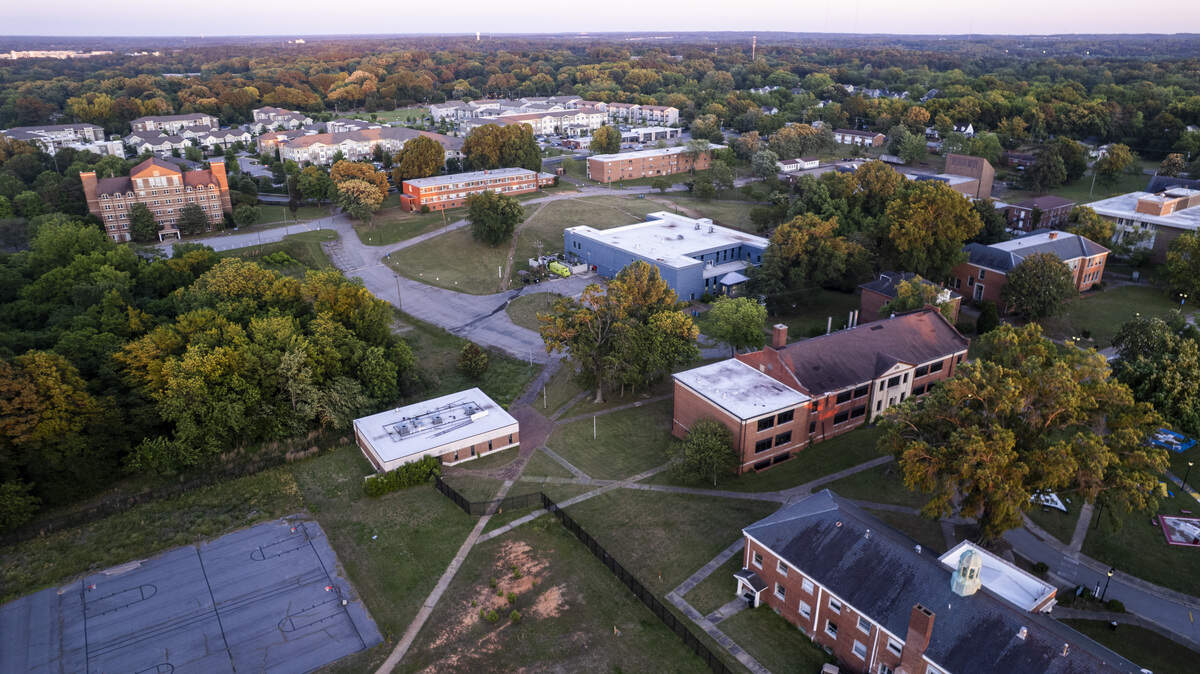
St. Augustine’s University — Raleigh’s embattled historically Black university — was back in bankruptcy court on Tuesday morning. The 160-year-old school is $74 million in debt and currently without a single student.
Read more Raleigh morning show co-host announces abrupt departure from station
Brian Behr, bankruptcy administrator for the Eastern District of North Carolina, voiced existential concerns about the case at the hearing. It feels like St. Augustine’s is just “treading water,” he said. He can’t quite see where the case goes from here or how the school will get its creditors paid.
The university intends to pay back all of its unsecured creditors, according to its lawyer, Ciara Rogers. But that list of creditors is long: The school owes money to more than 300 individuals and entities, including former students, faculty, and staff.
Behr has some concerns about the effort.
The school has less than $500,000 in cash, and its main source of revenue is its rental properties adjacent to campus which bring in $10,000 per month. At a previous bankruptcy meeting, Sophie Gibson, the chair of St. Augustine’s board of trustees, told administrators and creditors: “We have no money.”
And the school just got another utility bill from the city of Raleigh — this one coming in at $40,000.
But St. Augustine’s sits on a piece of land in Raleigh worth $200 million. Any path back to solvency may require selling part of that land, Rogers said. It also hopes to launch some nonaccredited certification and apprenticeship programs next fall. The school has hired an accountant to get its books and records up to date and file missing tax returns.
Behr’s primary concern, he said on Tuesday, is helping former students and employees understand what they need to do to participate in the bankruptcy and hopefully get what’s owed to them.
Read more NC’s long-awaited state budget clears first vote on a fast track to becoming law
But to Behr, as it currently stands, it doesn’t look like the university can do enough to help in that effort.
“These operations are not sufficient to cash flow a repayment to the creditors,” Behr said. For him, “seeing where we go from here and how creditors get paid is of paramount interest.”
All former employees should file a claim with the court if they intend to try to collect what is owed to them, Behr previously recommended. Behr also said that anyone with a pension promised to them by the university should hire a lawyer.
Kevin Sink, another lawyer for the university, told bankruptcy Judge David Warren that he still expects the Chapter 11 filing to result in a successful reorganization.
“We certainly want to protect everyone’s rights … [and] repay the creditors,” Sink said. “That’s been the goal from day one.”
Read more RDU Airport resumes flights after truck, corporate jet collide
The university is likely to be back in bankruptcy court on July 28 at 11 a.m.