
AI-generated summary reviewed by our newsroom.
Two years ago, Julia Bledsoe was on the precipice of her senior year and a collegiate soccer career.
Read more Why Salley Carson Is ‘Nervous’ to Film ‘Summer House’ Season 11 Cameo
But after a dive into a Hillsborough neighborhood pool left her paralyzed, the Raleigh teen is suing in the hopes that publicizing her experience might save others from similar pain.
Bledsoe, now 18, and her father, Scott Bledsoe, are a year into a lawsuit against 10 individuals and companies tied to the pool, according to court records.
The central question of the lawsuit is who bears responsibility for the diving platforms left uncovered that day, according to Bledsoe’s attorney, Deanna Davis Anderson, who spoke in a Durham County courtroom Wednesday.
Was it the Hardscrabble Hippos swim team, who had a meet at the pool two days before? Was it Donald Lockwood, the homeowners’ association pool committee chair? Was it the Swim Club Management Group of Raleigh, which contracted with the homeowners’ association to provide pool attendants, or any of that group’s various parent entities?
The defendants have argued the ultimate responsibility lies with Bledsoe, which her family disputes.
“The facts of this case may be simple, but the issue of who’s responsible may be somewhat complicated,” said Superior Court Judge Michael O’Foghludha in court Wednesday.
All parties appeared in court Wednesday to argue the case’s future. It’s tentatively set for trial in July 2027, a date everyone agreed upon to allow the teen to complete her freshman year at Virginia Tech.
Patty Allen, a longtime family friend of the Bledsoes, said she hopes the lawsuit will spread awareness of the dangers of improperly stored diving platforms, no matter the outcome of the case.
“I see this as an opportunity, because the court case is public, to just help more people be aware,” she told The News & Observer. “Because this happened at a community pool.”
Bledsoe had just finished her junior year at Durham’s Voyager Academy in May 2024 when she visited the Hardscrabble Plantation pool with friends on May 31. Bledsoe didn’t live in the neighborhood, a community where homes average more than $600,000. She went to the pool as the guest of a friend who lived there, according to court documents.
She arrived at the pool shortly after 1:30 p.m., her complaint states. Less than three hours later, she was rushed to Duke University Medical Center, her C5 vertebra shattered from a head-first impact with the bottom of the pool.
In the weeks that followed in the intensive care unit, Bledsoe’s lungs partially collapsed, and she sustained damage to her vocal cords from her time on a ventilator. She turned 17 in a hospital bed and had to complete high school online from a rehabilitative center in Atlanta, her attorneys wrote in court documents.
The Bledsoes declined to comment for this article, but Allen said the injury changed the family’s life in many ways.
“That trauma is very, very real,” Allen said. “And that family has overcome so much.”
Today, Bledsoe is preparing for her freshman year at Virginia Tech. Her family will move with her from Raleigh to the small mountain town of Blacksburg, just as the youngest Bledsoe is starting high school, according to Allen.
“They’re moving their life, basically,” Allen said. “It’s so much, and it could have been so simply avoided.”
Read more A beloved Texas doughnut shop is expanding to the Triangle for the first time
The North Carolina administrative code requires diving platforms “be secured from use” by the public when not in use by swim teams.
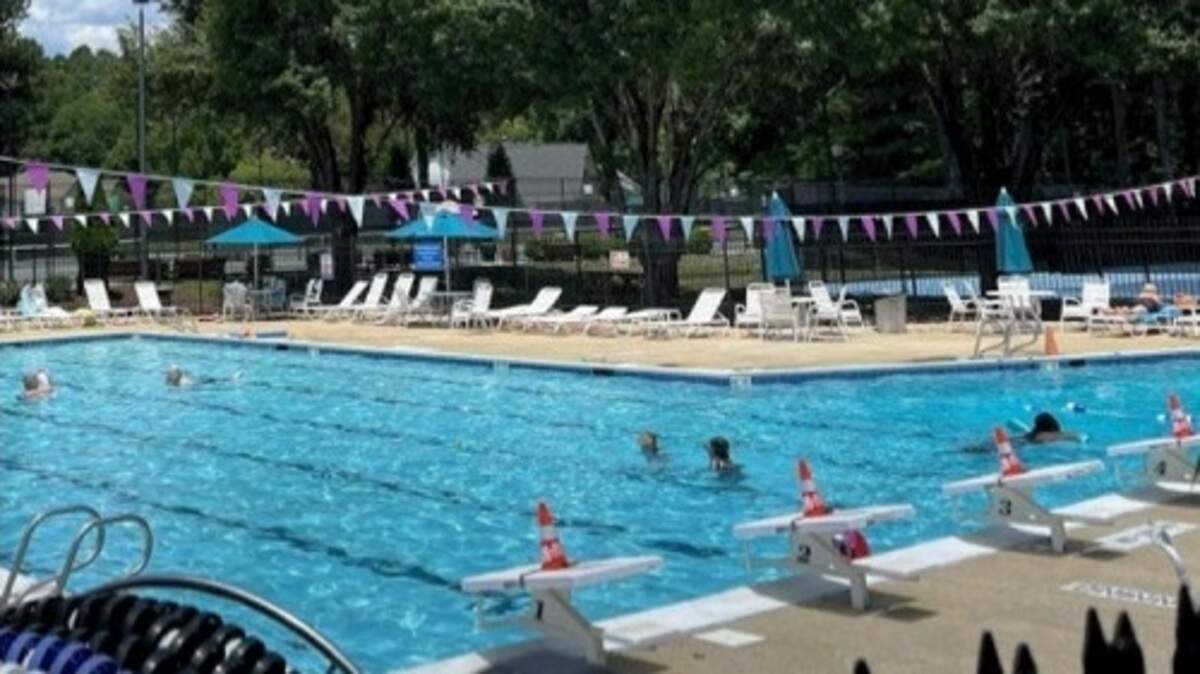
Pool employees can do this in several ways. They can remove the platforms, which emails show the Hardscrabble staff often did, or cover them. Photos show the Hardscrabble pool commonly did this with orange cones. They also can put up signs and assign someone to watch the platforms, according to the code.
The defendants in the case say Bledsoe should have seen that 4 feet of water was too shallow for safe diving. But Bledsoe had never been to the pool before, never belonged to a swim team and had watched her friends dive off the platforms moments before her accident without a word from the pool attendant, court documents state.
The on-duty pool attendant comprises a core element of the case. In court documents, the pool management companies have argued that they had no responsibility to ensure guests’ safety that day, and that safety wasn’t a part of a pool attendant’s duties.
Pool attendants are different from lifeguards. Attendants aren’t trained in CPR, first aid or other life-saving measures. They’re not expected to rescue swimmers in distress. However, emails from Lockwood and the pool management company indicate that their attendants were expected to enforce the pool’s rules, and not diving off of the platforms was one of them.
Emoni Lewis, the pool attendant on duty during Julia Bledsoe’s accident, wrote in an affidavit to the court that she was talking to a friend and wasn’t looking at the pool when the teen was hurt.
“I heard people screaming and saw a girl floating in the water face down,” Lewis wrote. “I called my supervisor. … Someone else at the pool called 911.”
A group of Duke nurses celebrating a birthday at the pool helped Bledsoe until EMTs arrived, according to court documents. Bledsoe’s attorneys wrote that Lewis stood by and watched, asking what Bledsoe’s name was as paramedics removed her from the scene.
“I was never told or trained what ‘Monitor Area for Safe Activities’ meant,” Lewis said in her affidavit, referring to an item on a daily checklist attendants had to fill out.
Lewis testified her supervisor asked her to write an incident report that night, which she did.
But the defendants in the case have said they have no written documents pertaining to Bledsoe’s accident. All documents for the 2024 swim season were damaged by rain and thrown away, they wrote in court documents. It’s not clear when the documents from the May 31 incident were allegedly thrown away. Bledsoe’s attorneys gave notice in August 2024 of their intent to sue and requested the pool management company preserve any relevant documents.
Bledsoe’s attorneys allege the swim club management group also failed to report the accident to the local health department within two business days of the incident, as required by state administrative code, and didn’t respond to officials’ efforts to reach them.
Twenty-five days before Bledsoe was paralyzed, Lockwood, the HOA pool committee chair, wrote in an email to the pool management company that he was concerned about people who weren’t on the swim team “getting injured” using the platforms, according to a motion from Bledsoe’s attorneys.
It’s not clear from court documents how long the platforms may have been uncovered before Bledsoe’s accident, but they were covered soon after the accident.
“As Julia was being transported to Duke University Medical Center, the pool attendant placed the already purchased, readily-available, previously used orange cones on top of the starting blocks,” her attorneys wrote.
Read more Two NC congressional districts moved from leans Republican to toss-ups